

2026.07.17 - 2026.08.22
JoJo529×Yan Zhou
- Duration2026.7.17-2026.8.22
- Opening hourTuesday - Sunday 10:00-17:30
- AddressTaikang Art Museum, 1F Taikang Art Museum, Building 1, Yard 16, Jinghui Street,Beijing Taikang Group Building
- ArtistJoJo529, Yan Zhou
- CuratorXin Yunpeng, Ruan Jingjing
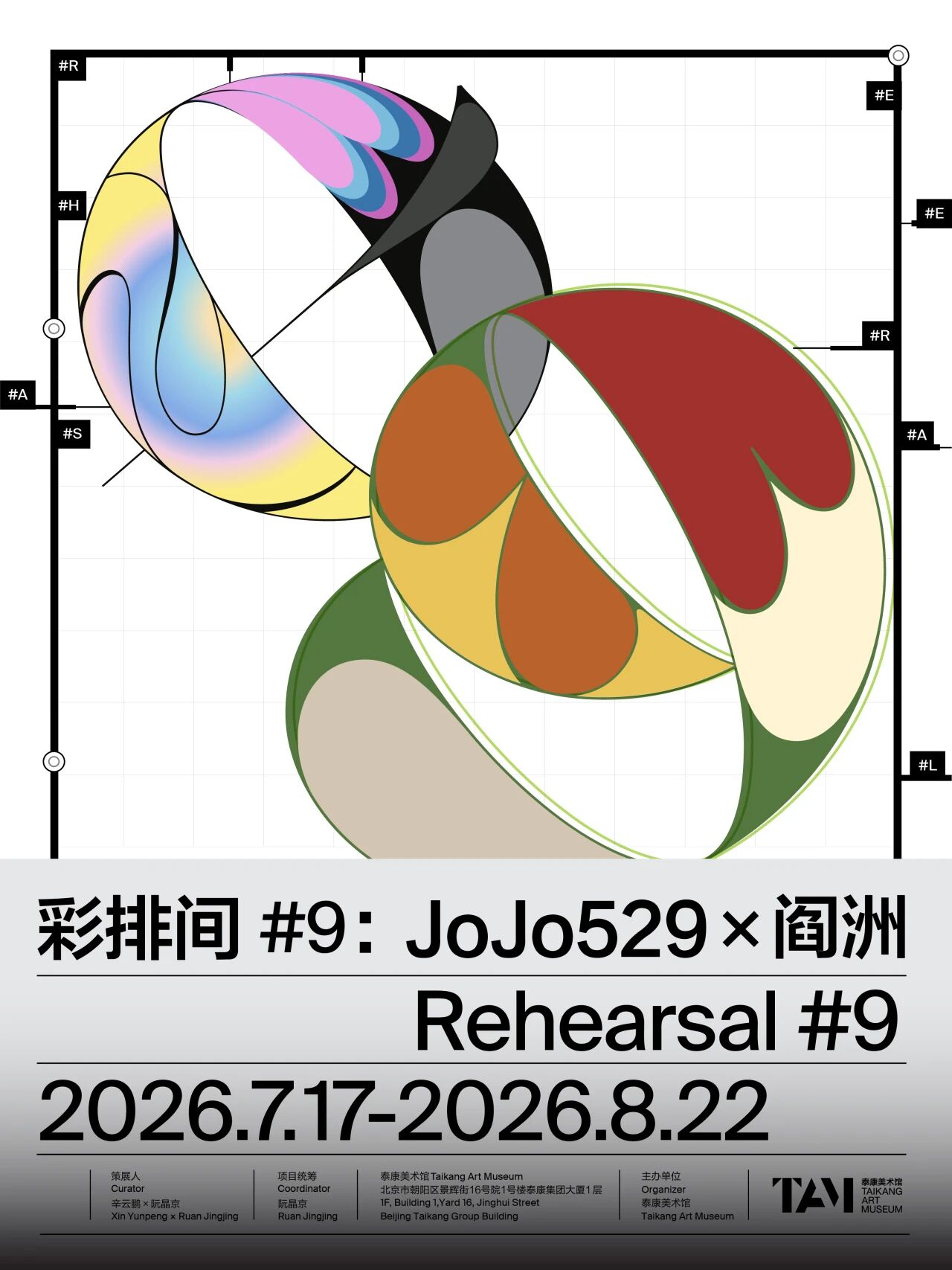
This edition of Rehearsal presents two concurrent solo exhibitions: JoJo529’s I, the DLC of “Me” JoJo529 and Yan Zhou’s Who Rescued You and Your Dad? JoJo529 uses game engines to continually generate new worlds, while Yan Zhou searches for exits from reality in bedtime stories. Each artist expands the boundaries of the world in his own way: for them, reality is no more real than fiction, nor is fiction any more illusory than reality. Stories, games, monsters, and characters are not footnotes to reality, but equally tangible forms of lived experience that together shape how they understand the world.
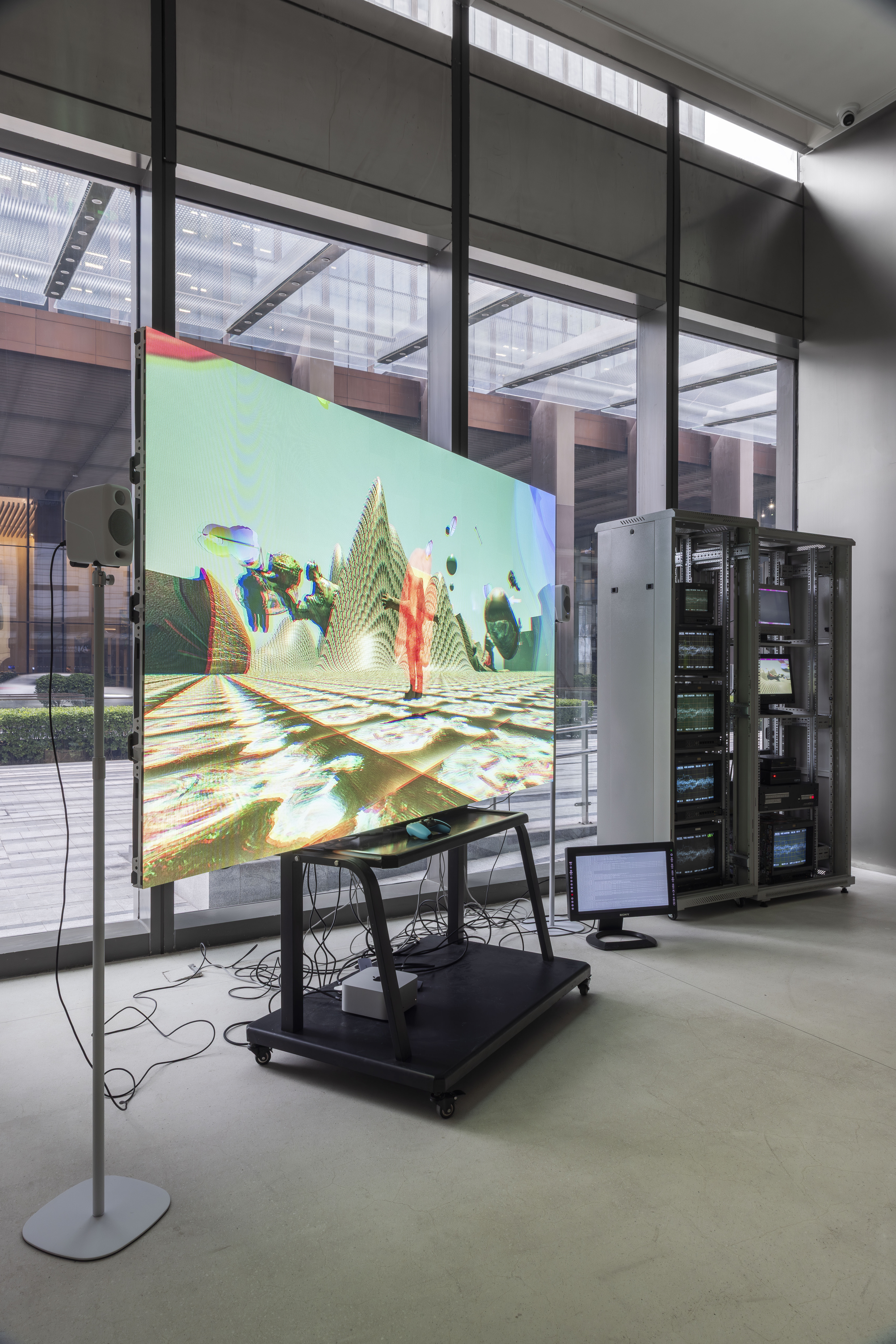
JoJo529: I, the DLC of “Me” JoJo529
In gaming circles, Xu Quan is widely known by his alias JoJo529. Like many young men, he is reserved and always wears air-cushioned basketball sneakers. His studio is stacked with all types of game consoles. As a collector, he gathers a large number of meaningful small works, revealing his extraordinary passion for life. I also stare wide-eyed like a teenager at these retro games dating back to the 1990s, pretending I have never been addicted to them, and force myself to shift the topic to artwork proposals.
Conversations with Xu Quan are incredibly engaging. I deploy the critical vocabulary of contemporary art to dissect his works, hoping to offer him diverse external perspectives to view his creations. In return, he describes his creative motives using gaming jargon, hinting at an inherent disconnect between his world and mine. I always hope audiences can discover art within the game worlds he constructs, yet he swears wholeheartedly that hardcore players will become utterly absorbed in his works. I believe that, like most artists, he longs to meet his ideal audience, while I might well be lost inside another “game” entirely.
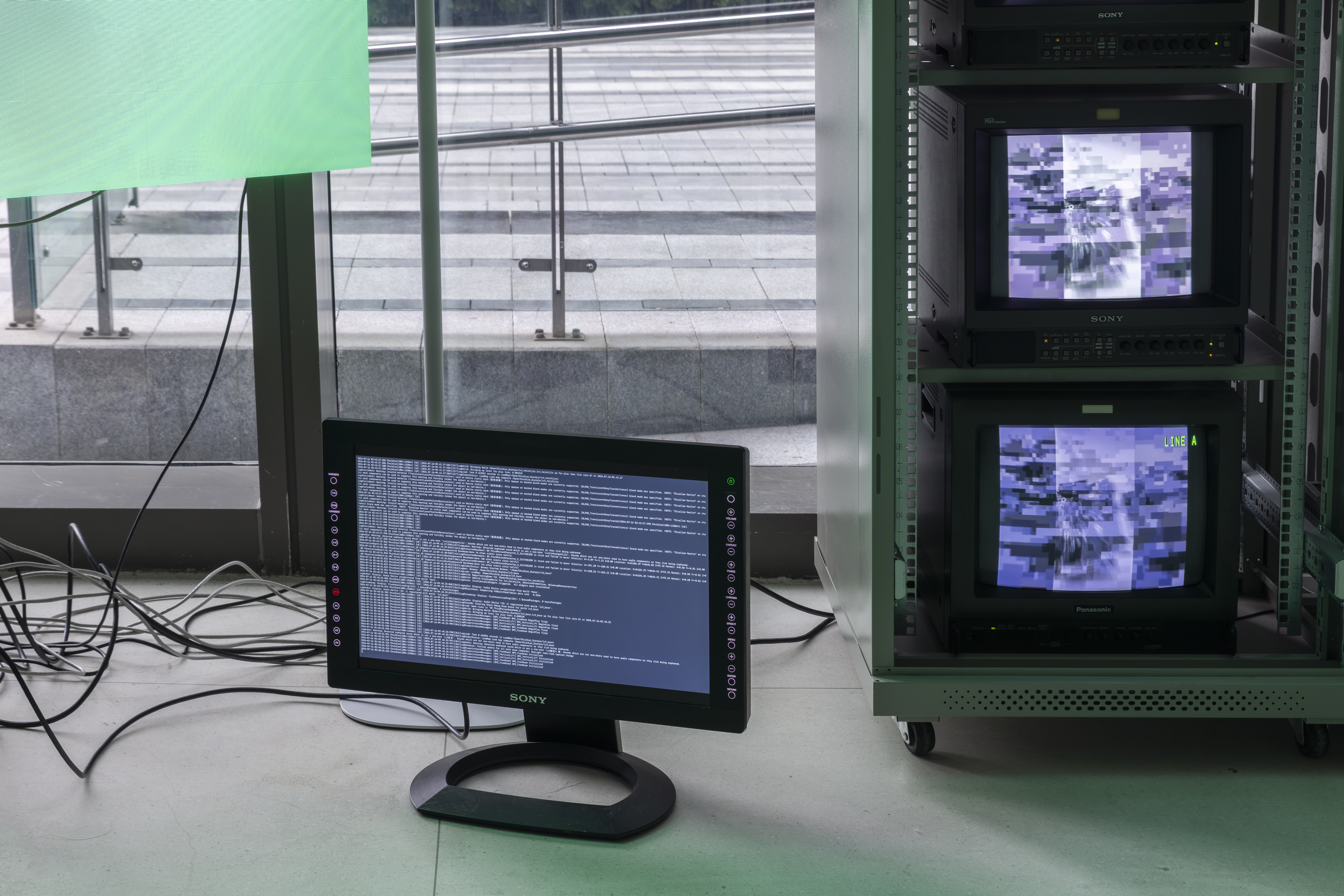
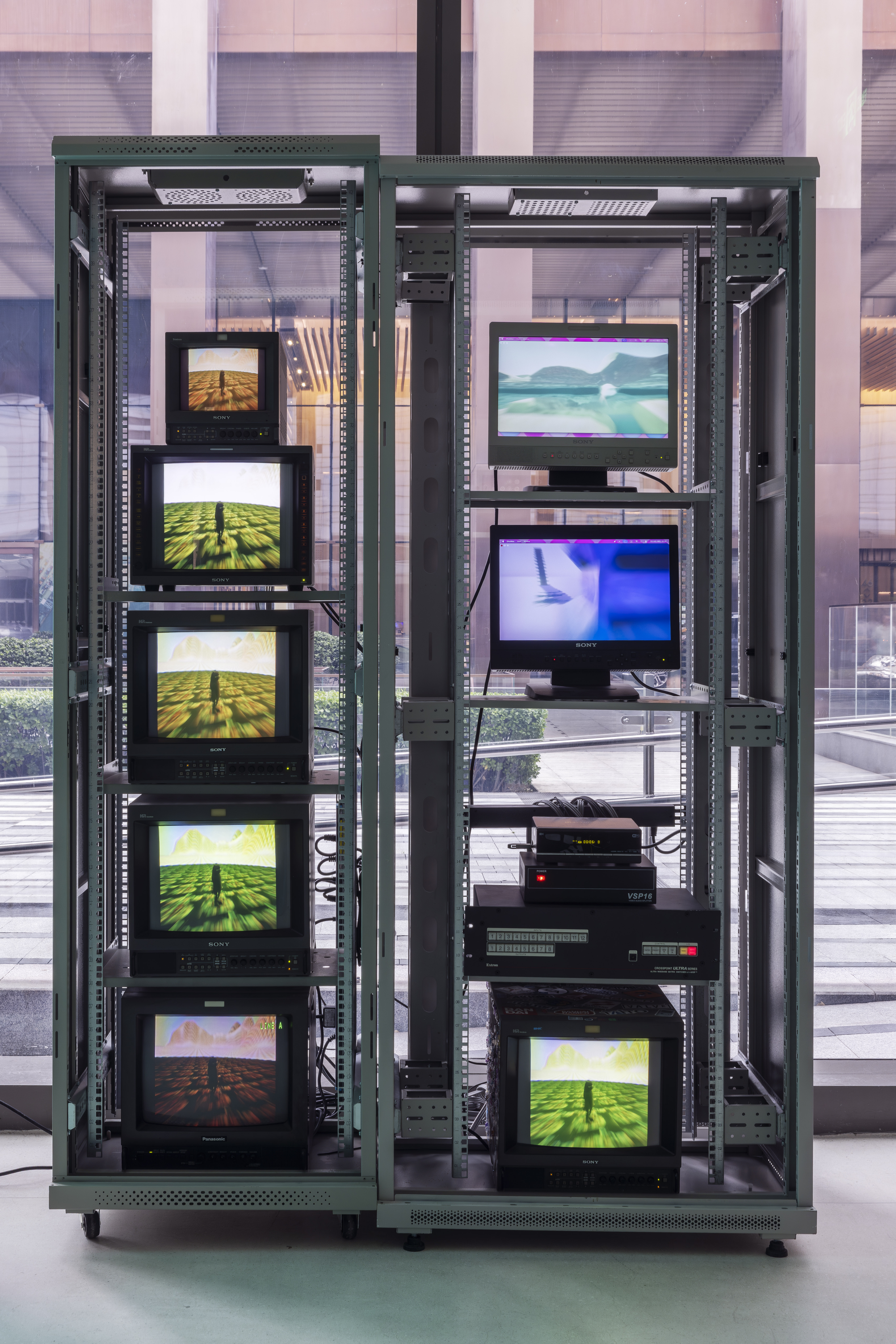
As reflected in the title of the work, I, the DLC of “Me” JoJo529, Xu Quan employs the concept of downloadable content (DLC) as a metaphor for his creative output, even using this concept to “complete” his self-identity. With game engines, he lays the fragments from his mind onto digital blueprints. What manifests before us is less an assembly of polygon meshes and lit geometric bodies, and more a blooming of the imprints left by Xu Quan’s life. By constructing virtual realms, he sequentially imports data tied to his life experiences, carving memory pathways amid mesmerizing game landscapes while responding to the riddles embedded in daily life.
His seven worlds feature no clearly defined boundaries, stirring viewers’ unease about boundlessness. What sort of code do we need to jump to another world? Does this incantation stem from reality—the “base game”? What new zones can we unlock in real life, and in what ways may we activate additional modes of perception?
Text by Xin Yunpeng
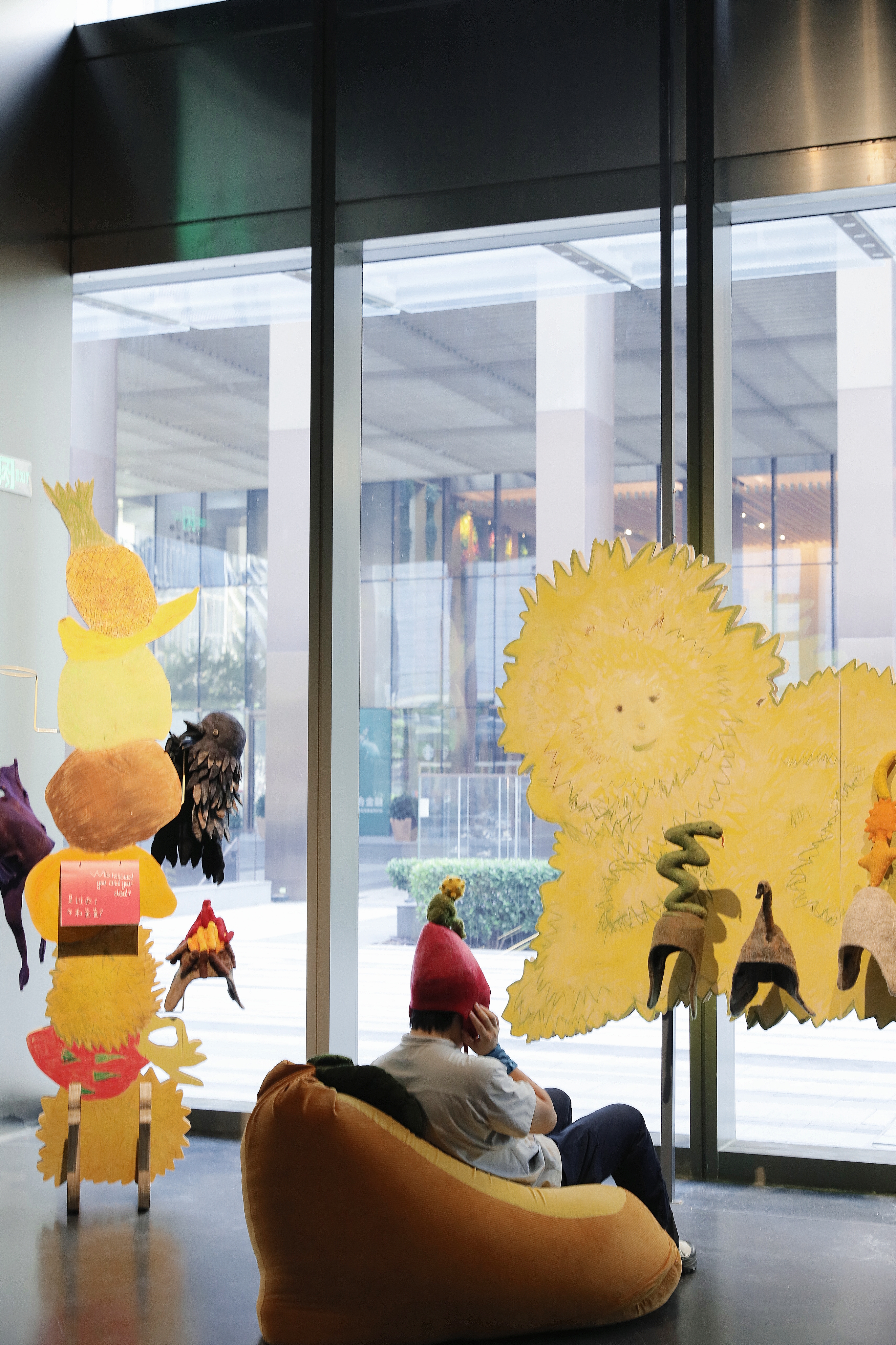
Yan Zhou: Who Rescued You and Your Dad?
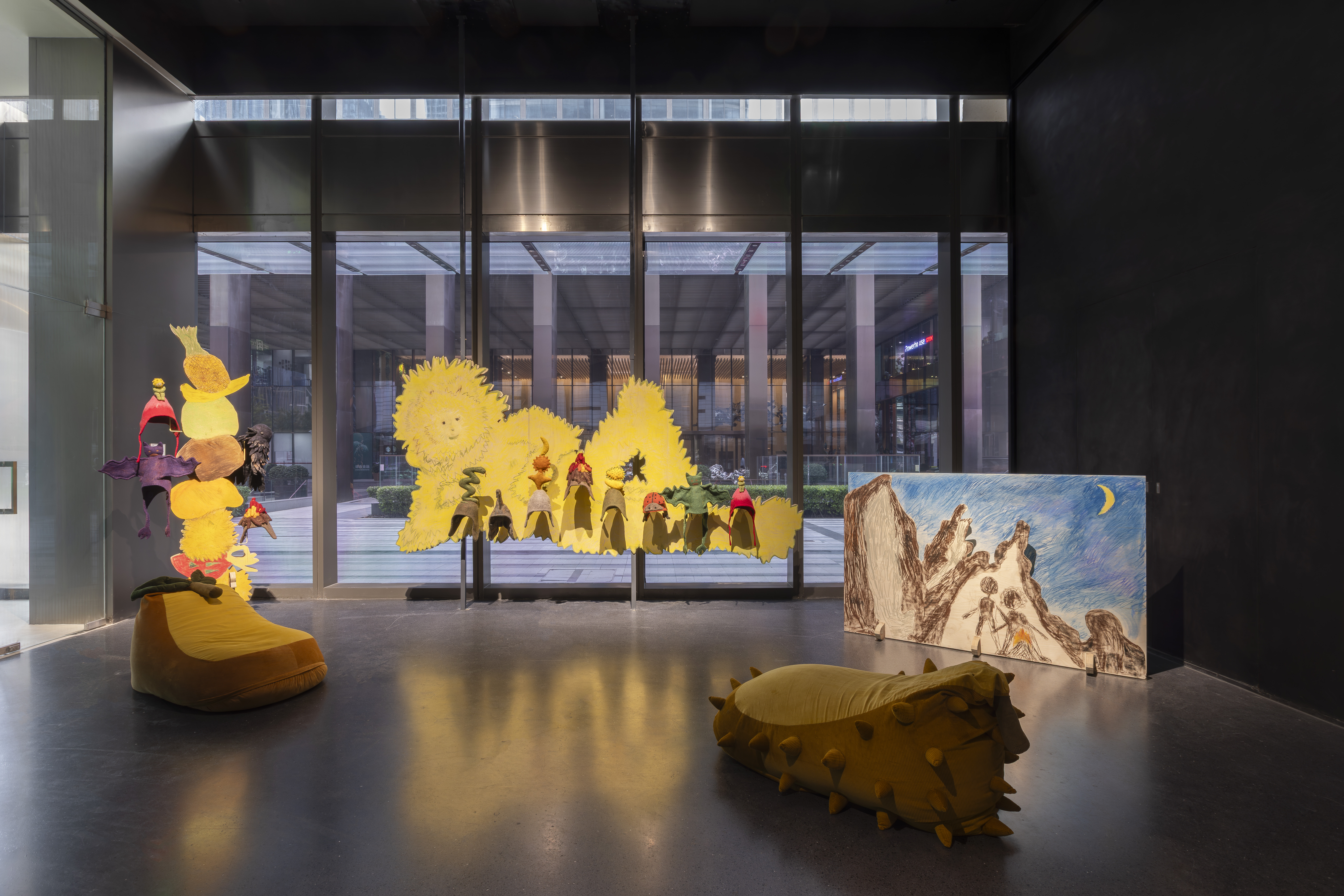
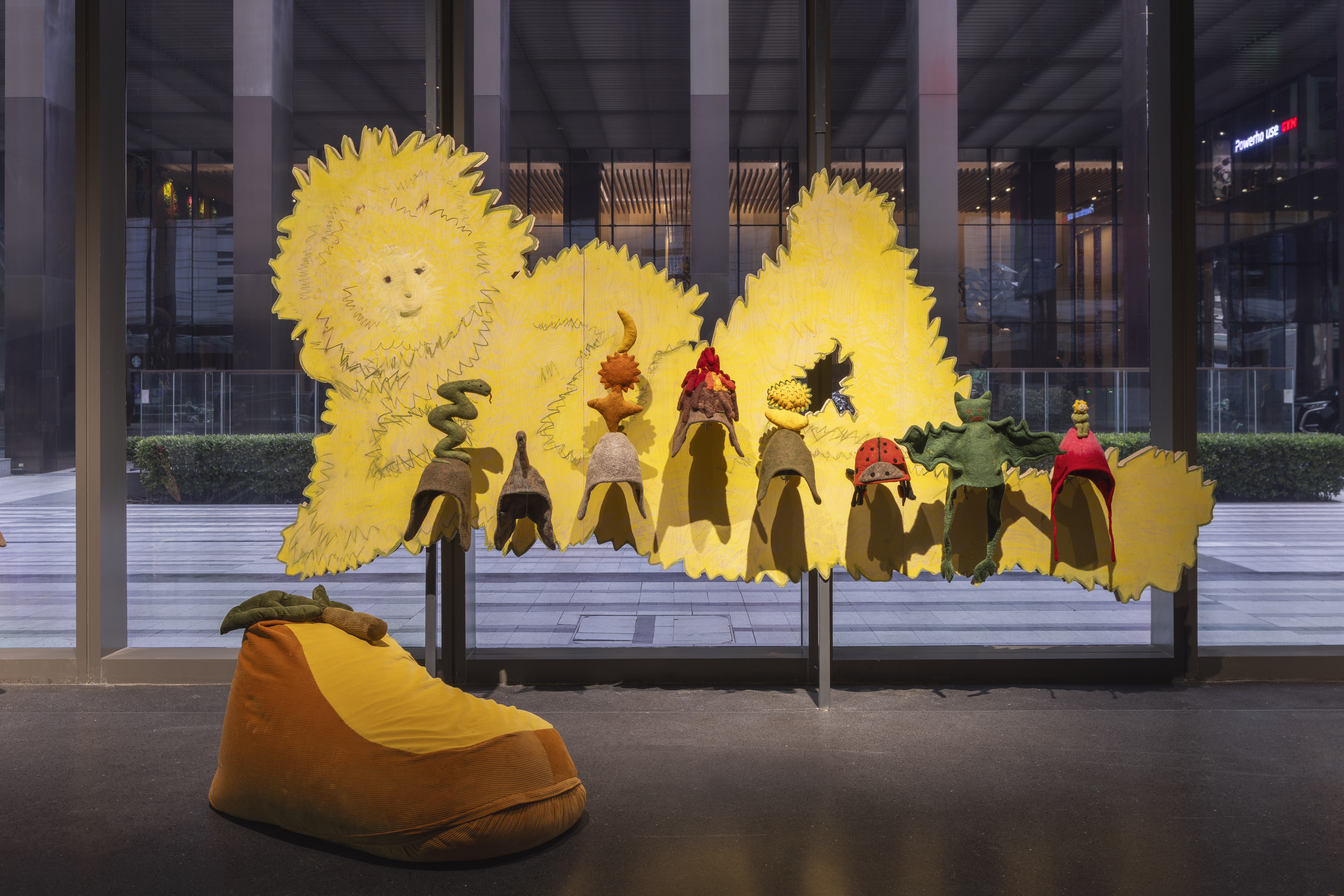
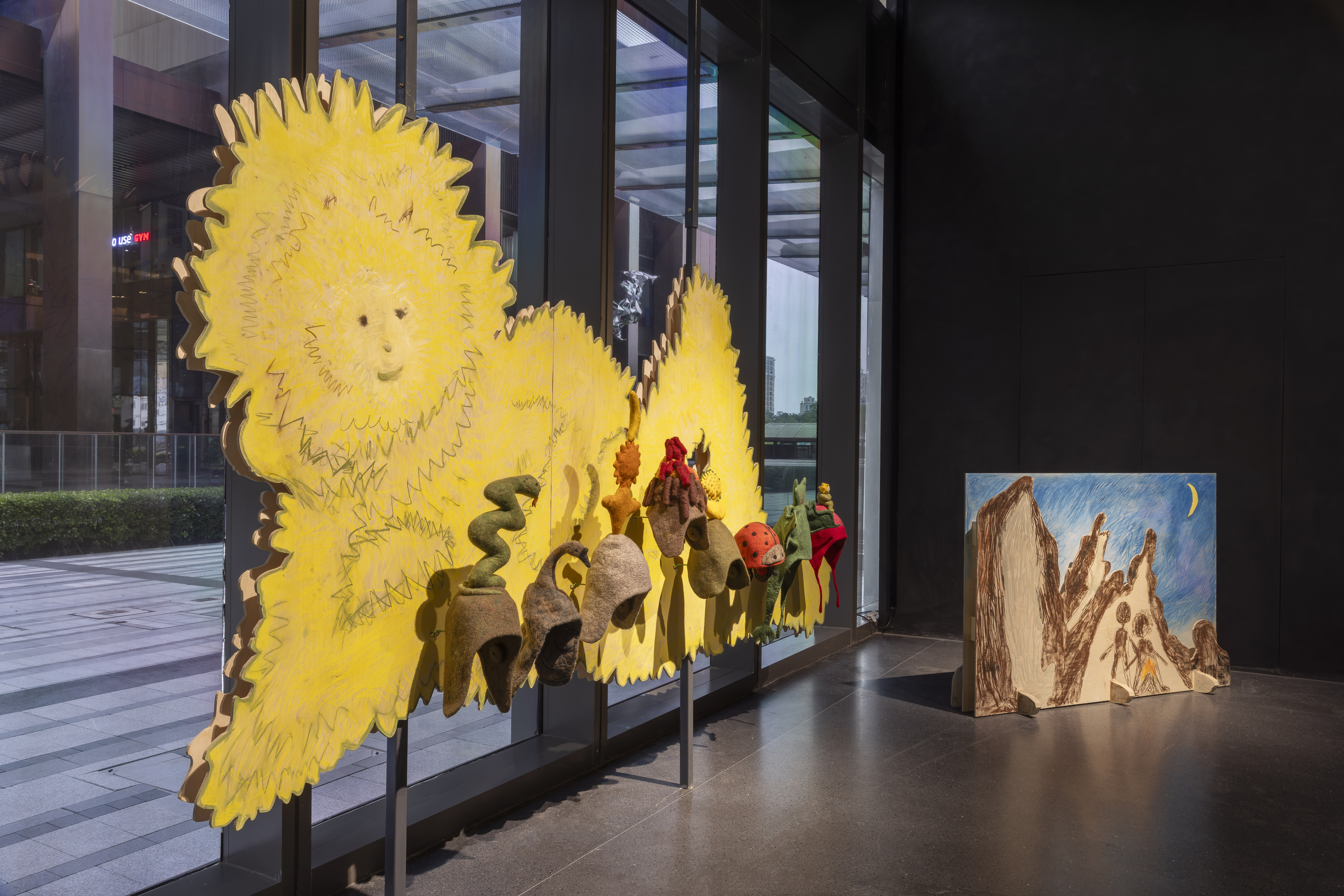
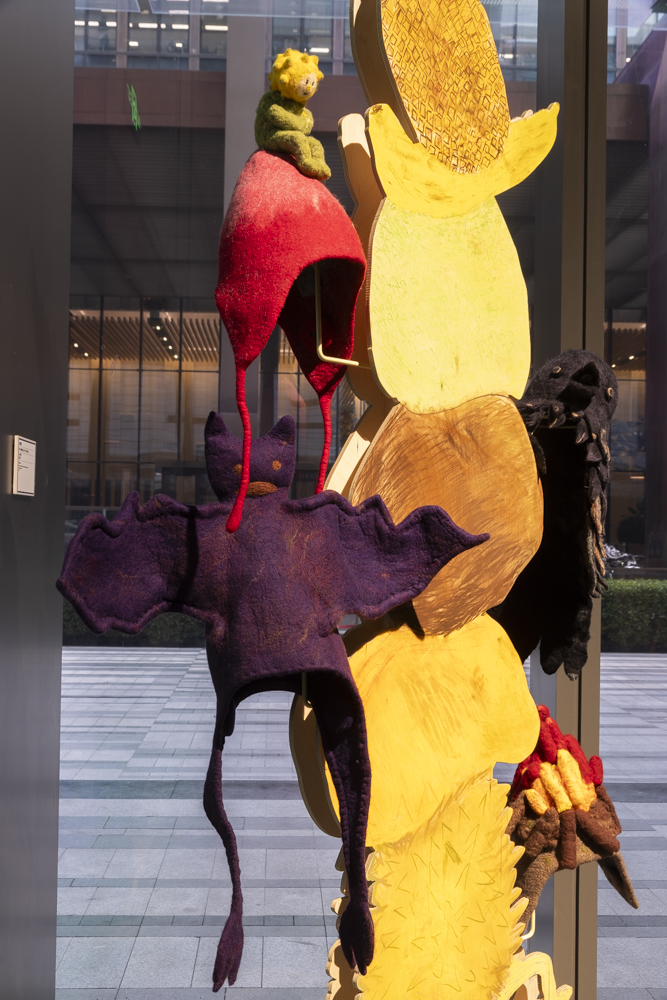
In the spring of 2020, Yan Zhou began telling stories to his three-year-old son. He had no preset plan at first-only endless days confined at home. Trying to explain the world to a child who had just begun to perceive it, many realities defied straightforward answers: Why could they not go outside? Why were grown-ups tense? Why had daily routines been disrupted? Thus, Bad Bird, Flying Dog, Gourd Monster, Electricity-stealing Beetle, and Monster Cave emerged one after another, with new episodes updated irregularly to this day.
Among these tales, Who Rescued You and Your Dad? grew out of a real-life incident. One day ,Yan Zhou and his son were building blocks in his studio beside Luoma Lak e on Beijing’s outskirts, when workers at the construction site opposite the studio suddenly tossed down paint bucket s and fled-the village had been locked down. The boy treated the whole event as an adventure, while his father racked his brains to get them home. Meanwhile, his wife anxiously consulted tarot cards, which yielded only an ambiguous hint: “something round.” In the end, Yan Zhou obtained an exit pass, borrowed a bicycle, set off from the only open southern gate, and circled the village before returning to the la keto pick up the child. Looking back later, he realized that the “round shape” referred to the looping route he had ridden around the village.
This experience spawned two distinct versions. His wife wrote a factual retelling, while Yan Zhou crafted a fantasy variant :a gecko told the little boy that if he used a ladybug key to open the Anywhere Door at the top of the spiral staircase, they could escape. At the story’s close, Yan Zhou half-jokingly remarked: “Mom was stil l sitting on her flying carpet turning over tarot cards, while Dad had already brought the boy home.”
He recorded these stories on his mobile phone. Originally trivial scraps of family life, they carry forward an ancient tradition: improvised oral folk tales passed down within kinship groups. Here, real-life confusion, coincidence s and uncertainties are constantly translated into animal figures, spirit s and fables.
In Rehearsal, these private voices once circulating within the family are transformed into a sound installation ina public space. Different narrative threads unfold and remain interconnected within it, and visitors enter different listening paths through their choices.
In recent years, most of Yan Zhou’s creations draw from medieval Chinese history. He builds narrative spaces between reality and fiction by drawing on historical figures, anecdotal literature, archaeological relics and folk legends. Yet in Who Rescued You and Your Dad?, this narrative method turns inward to the artist’s personal life for the very first time. There are no emperors, foreign merchants or displaced people here, yet moments of myth-making stil l unfold: whe na father tells bedtime stories;when a child believes Flying Dog can put out fires; when a mother searches for omen s in tarot cards.
Resisting reality through imagination is an age-old human instinct. Who Rescued You and Your Dad? The ladybug? The Anywhere Door? Or quick wit in the moment? Perhaps in the end, neither the characters nor props in the story rescued them-it was the very act of storytelling itself.
Text by Ruan Jingjing
INSTALLATION VIEWS