
2026.08.15 14:00 - 16:30
Fingertip Notes: Rammed Earth Candle Workshop
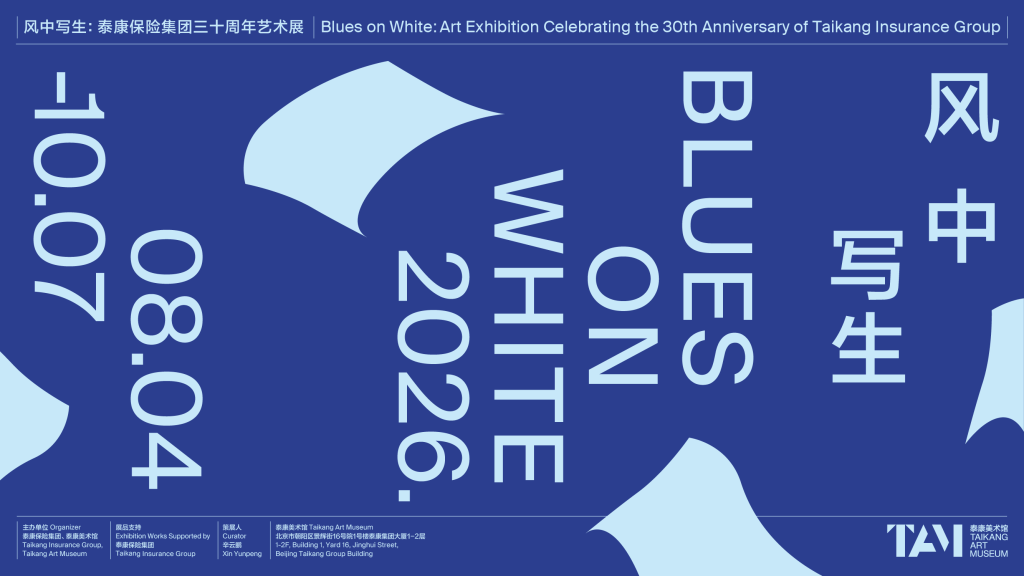
“Blues on White: Art Exhibition Celebrating the 30th Anniversary of Taikang Insurance Group” is on view at Taikang Art Museum from August 4 to October 7, 2026.
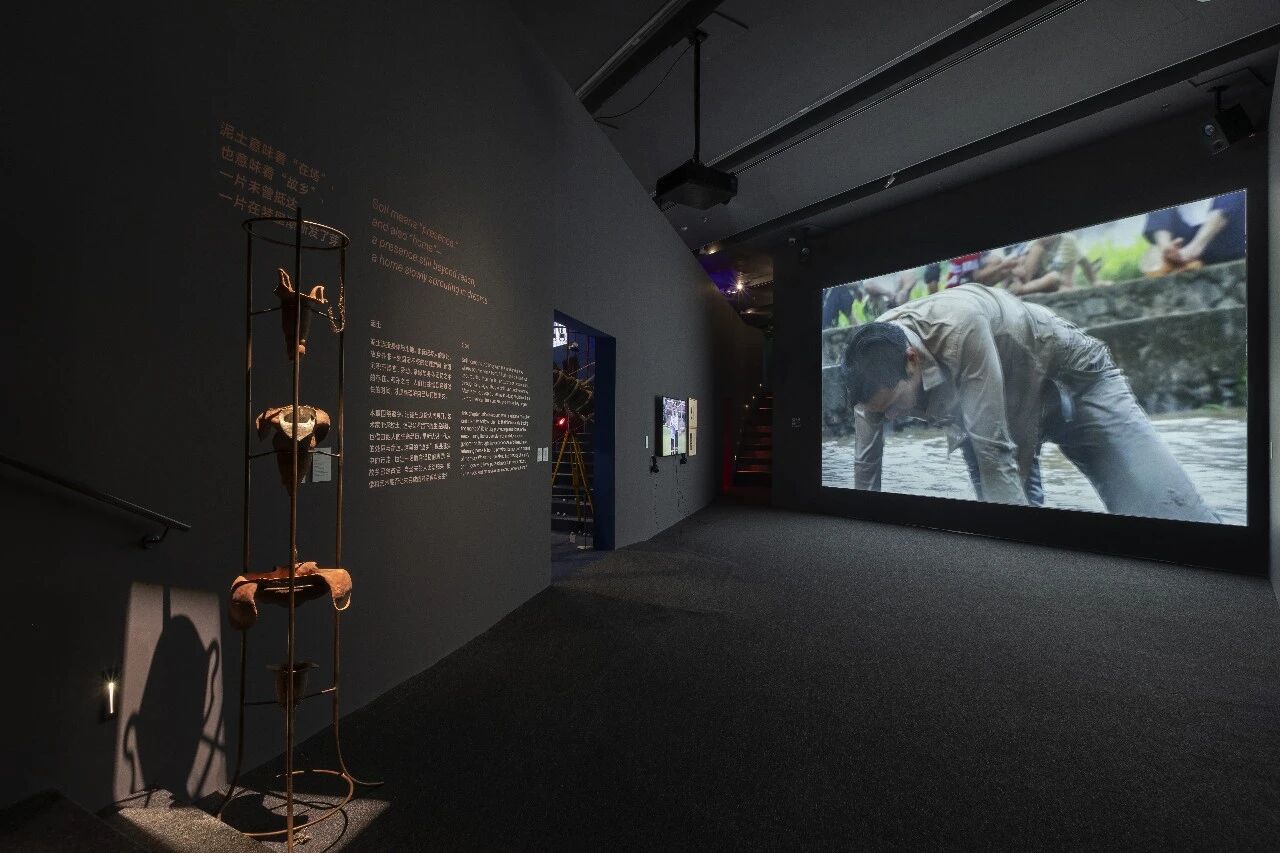
The third chapter of the exhibition, “Soil”, focuses on returning to hometown, migration, native land and memories of identity. It explores how we can re-understand where we come from with the passage of time. Soil sustains us, and in the end, it is where we return.
Here, the artists engage with the enduring theme of “homeland” in their own ways: some return to their birthplaces to photograph familiar streets and lanes anew, some search for an anchor for their identity in the soil of foreign lands, and others, through the transformation of physical materials, make soil itself a medium for carrying memories.
If you’d like to experience the textures of soil, landscape, and life through the artists’ works, or if you hope to approach the exhibition through a more embodied, hands-on experience—step into this workshop. As you work with the materials, transform the emotions and memories evoked by the exhibition into a work of art that becomes part of your everyday life.
Inspired by the idea of a personal journal, the “Fingertip Notes” workshop series treats the act of creation as a way of recording the body, memory, and the passage of time. Every texture, every impression, and every trace left by hand carries the creator’s immediate sensory experience and emotions. In response to the bodily experience, memories of life, and awareness of our times explored in Taikang Art Museum’s exhibition “Blues on White”, this series offers three workshop experiences: Rammed Earth Candle, Encaustic Collage, and Y2K Paracord Bag Charm. Here, sand and earth, beeswax, and paracord take the place of ink and paper, while the hands become the pen. Through kneading, pouring, melting and braiding, participants will feel the texture and warmth of materials, creating one-of-a-kind works that bear the unmistakable imprint of their hands.
In this “Fingertip Notes: Rammed Earth Candle Workshop”, participants will knead, compact, and pour as they experience the raw, elemental texture of the earth. The coarse sand and earth rub slowly between fingertips; with every press and every act of compacting, they will leave behind one-of-a-kind textures on the surface of the candle.
The layers of earthy textures echo the exhibition’s reflections on land, local culture, and life memories; as the candle burns slowly, you will create your own “Journal of the Land”—a personal record of time, touch, and emotion, made by hand.
Activity Rundown
1|Exhibition Sharing (10 minutes)
Led by the public activity lecturer of Taikang Art Museum, participants will explore “Blues on White: Art Exhibition Celebrating the 30th Anniversary of Taikang Insurance Group” and the curatorial concepts of the exhibition regarding nature, local culture, life experience, and artistic creation. This introduction will help participants understand the creative connections between the exhibition and the workshop.
2 | Getting to Know the Materials (30 minutes)
Participants will learn about the history of production techniques and material properties of rammed earth candles, explore natural sand of different colors, wax materials and tools, and share techniques for creating textures in preparation for the creative session ahead.
3 | Rammed Earth Candle Making (90 minutes)
With guidance from the instructor, participants will build up layers of natural sand and soil, compacting and shaping them as they go. They will then heat and melt wax blocks, add aromatic essential oils, then pour the warm wax liquid to complete the candle making. With every layer pressed and shaped, the textures of the earth take form within the wax, creating a one-of-a-kind candle unique to its maker.
4 | Creation Sharing (20 minutes)
Participants will be invited to share the inspiration and feelings behind their artworks and reflect together on their experiences with soil, materials, and exhibitions throughout the creation process. In this way, each piece becomes a personal expression of land and memory.