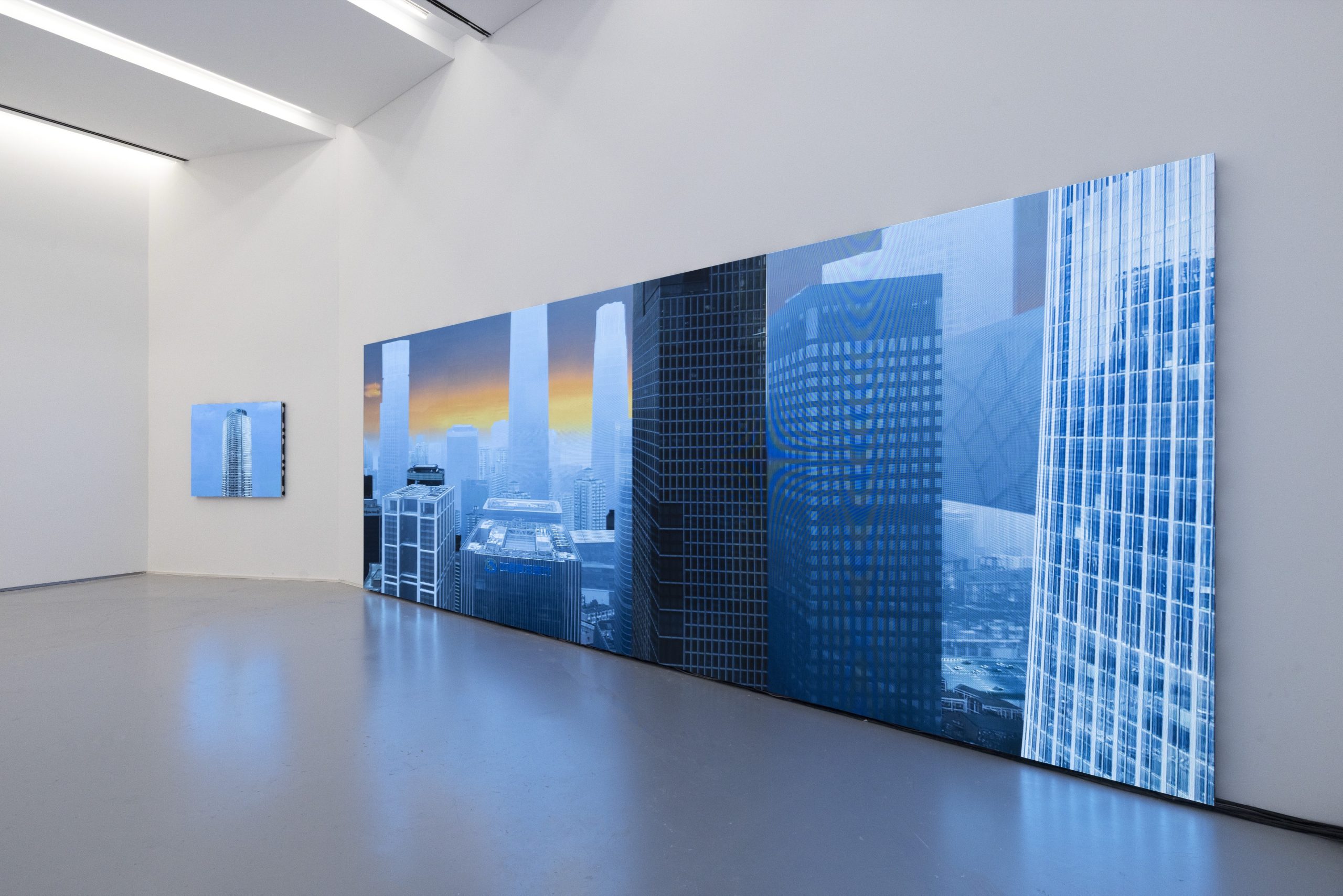
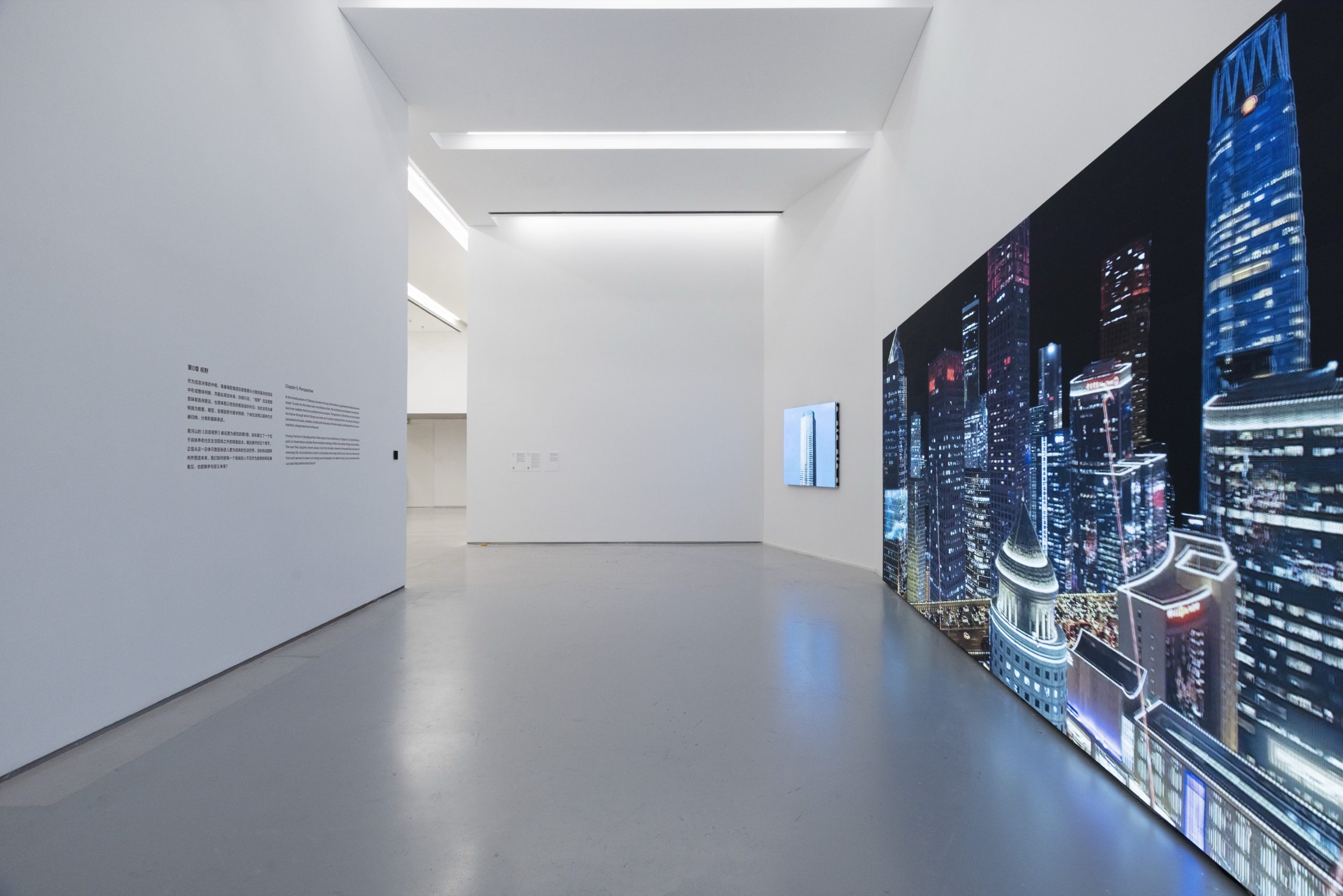
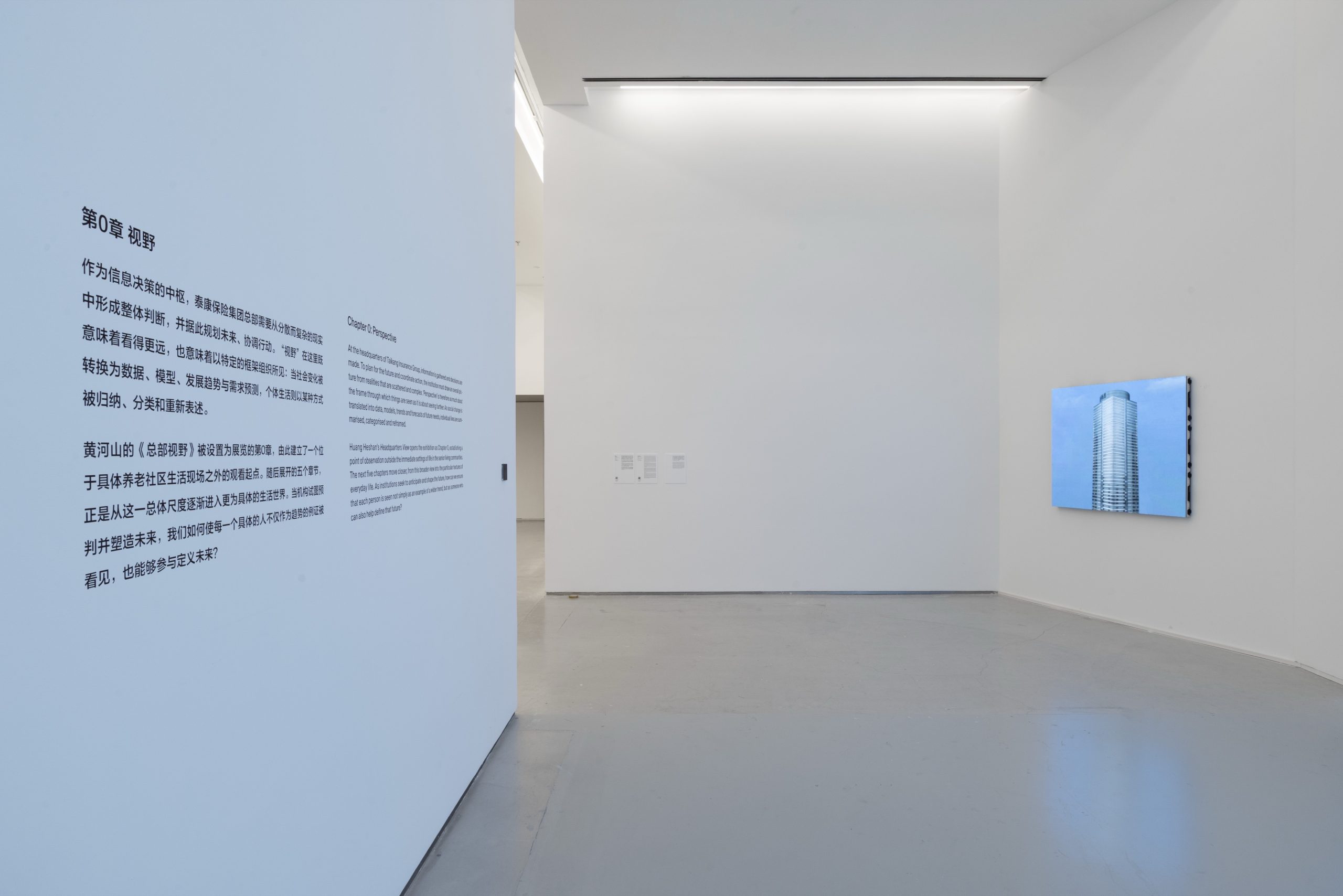
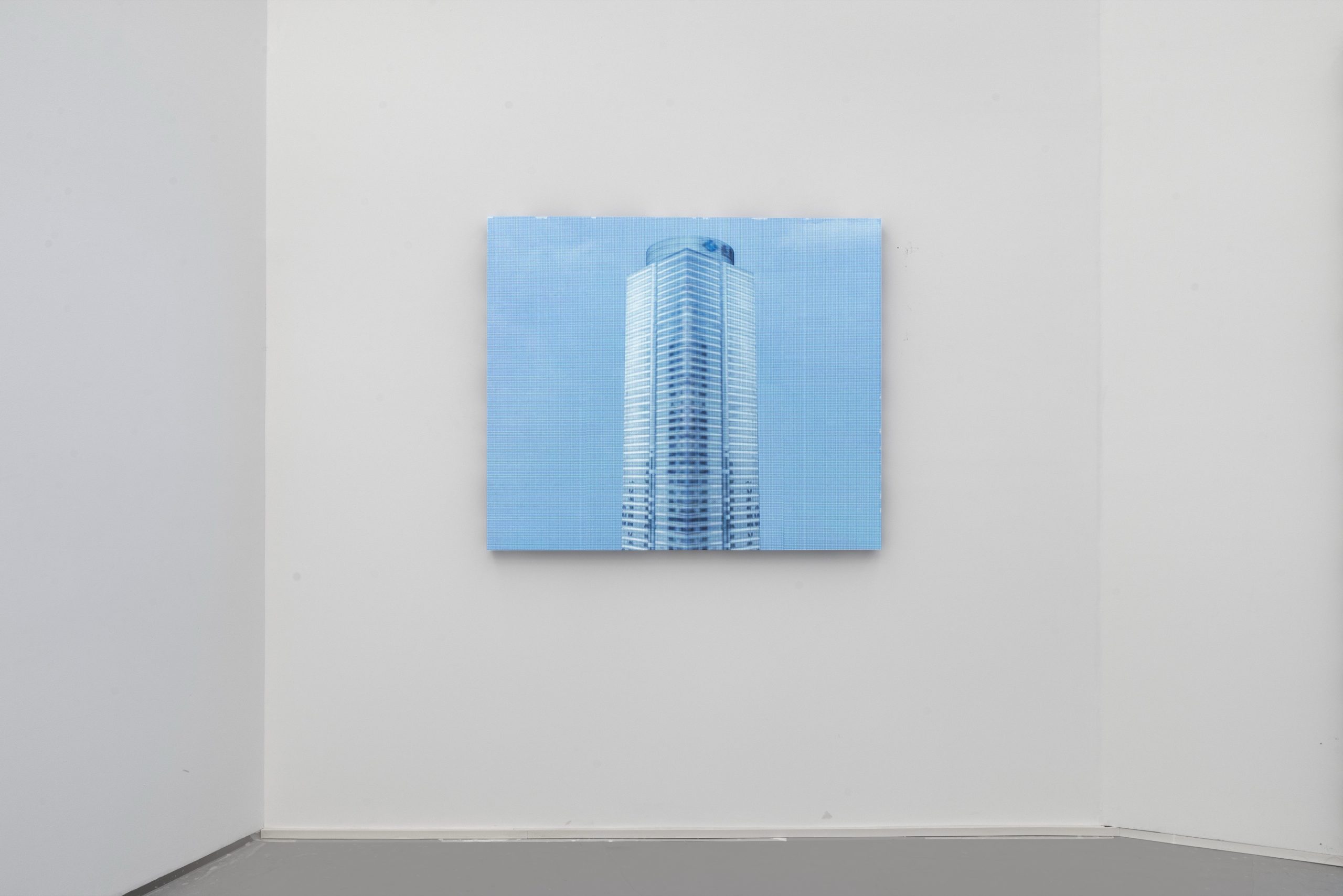
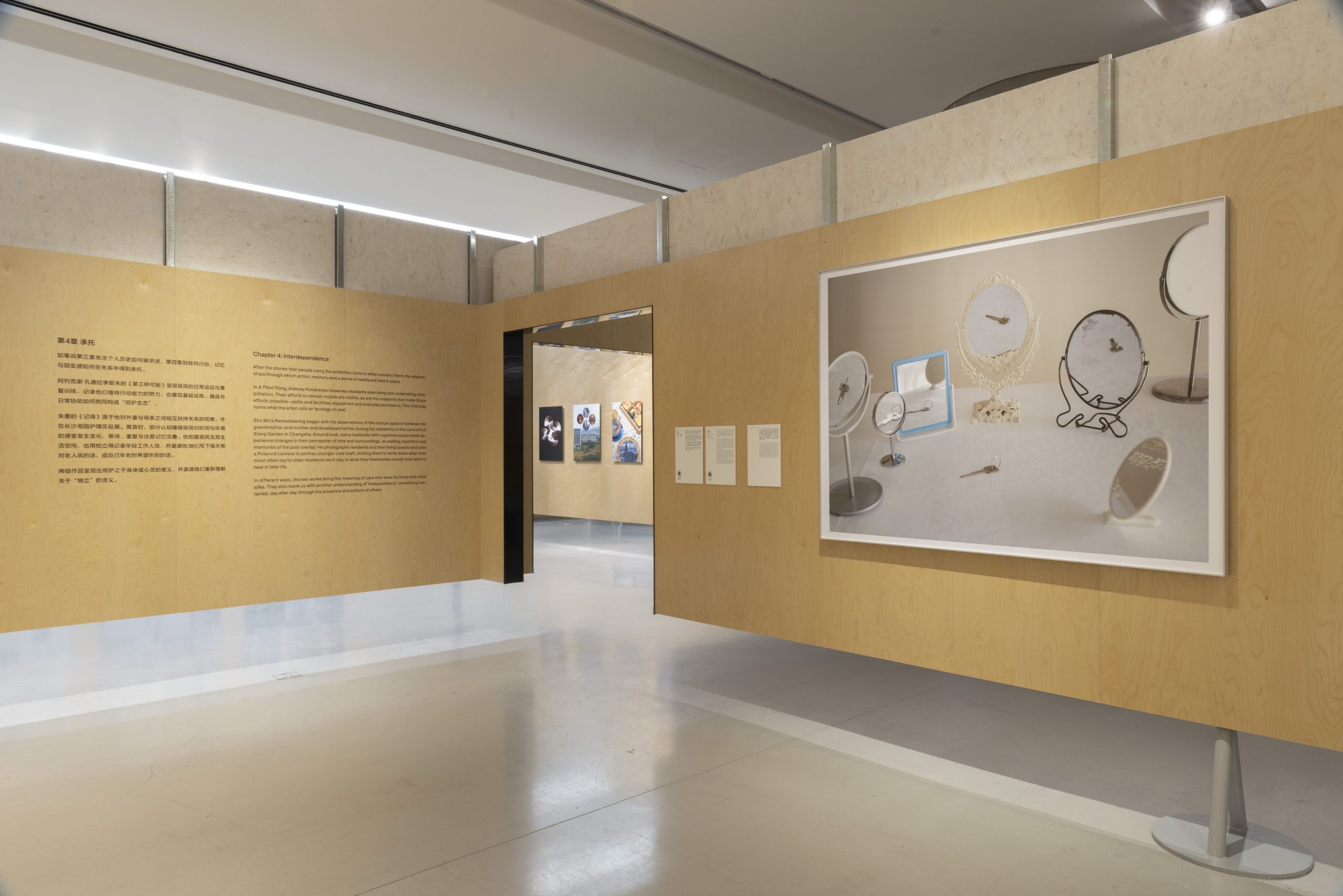
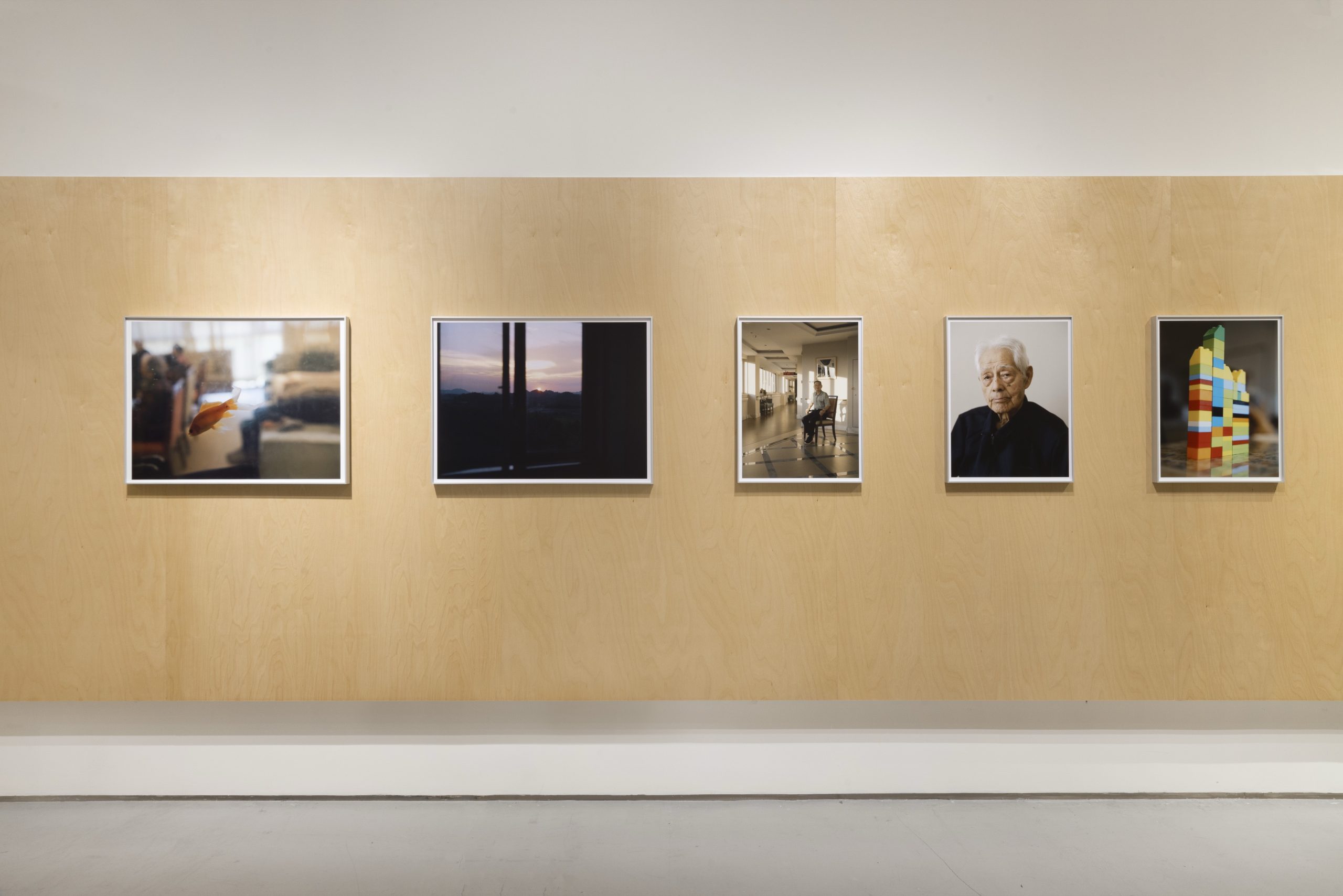
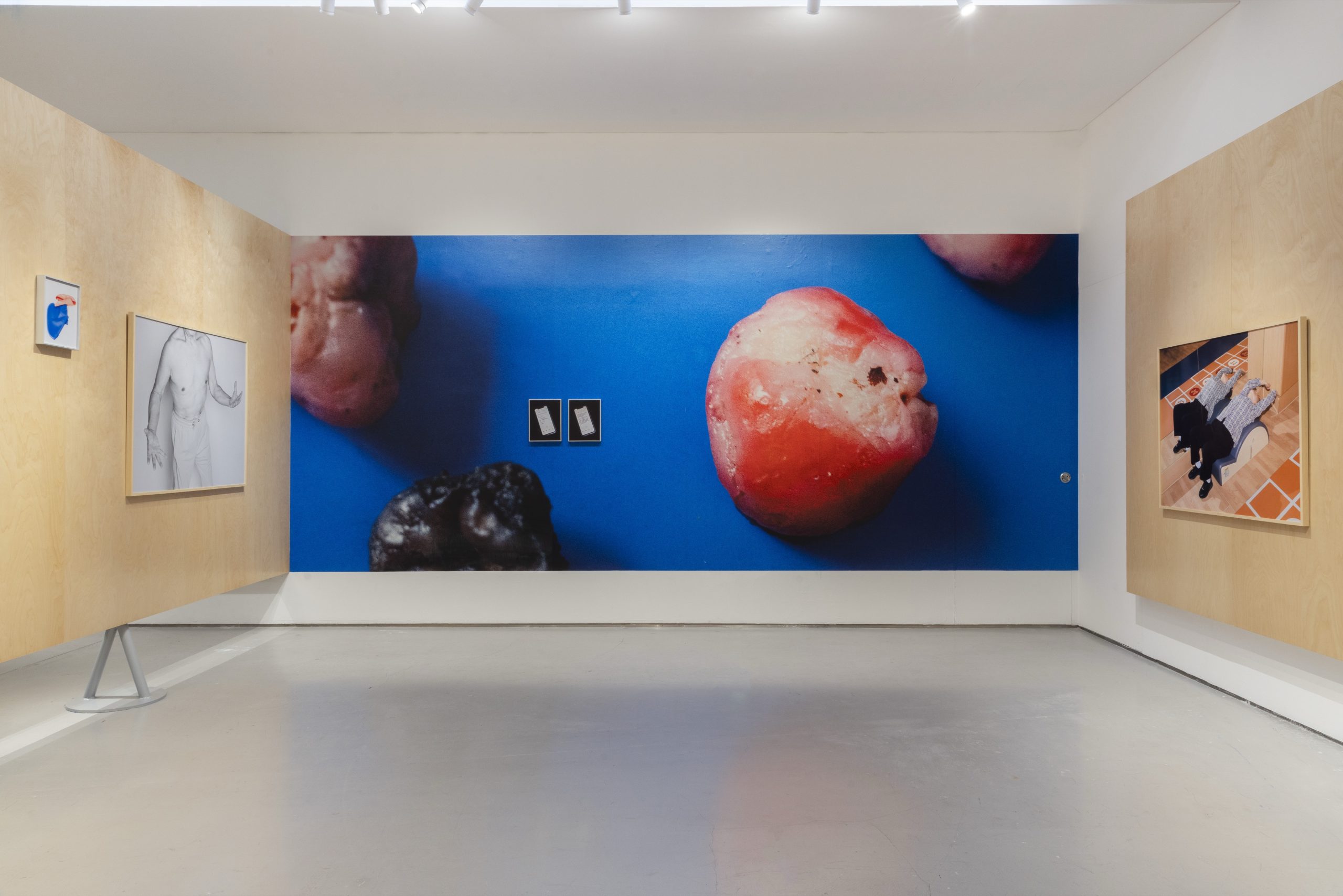
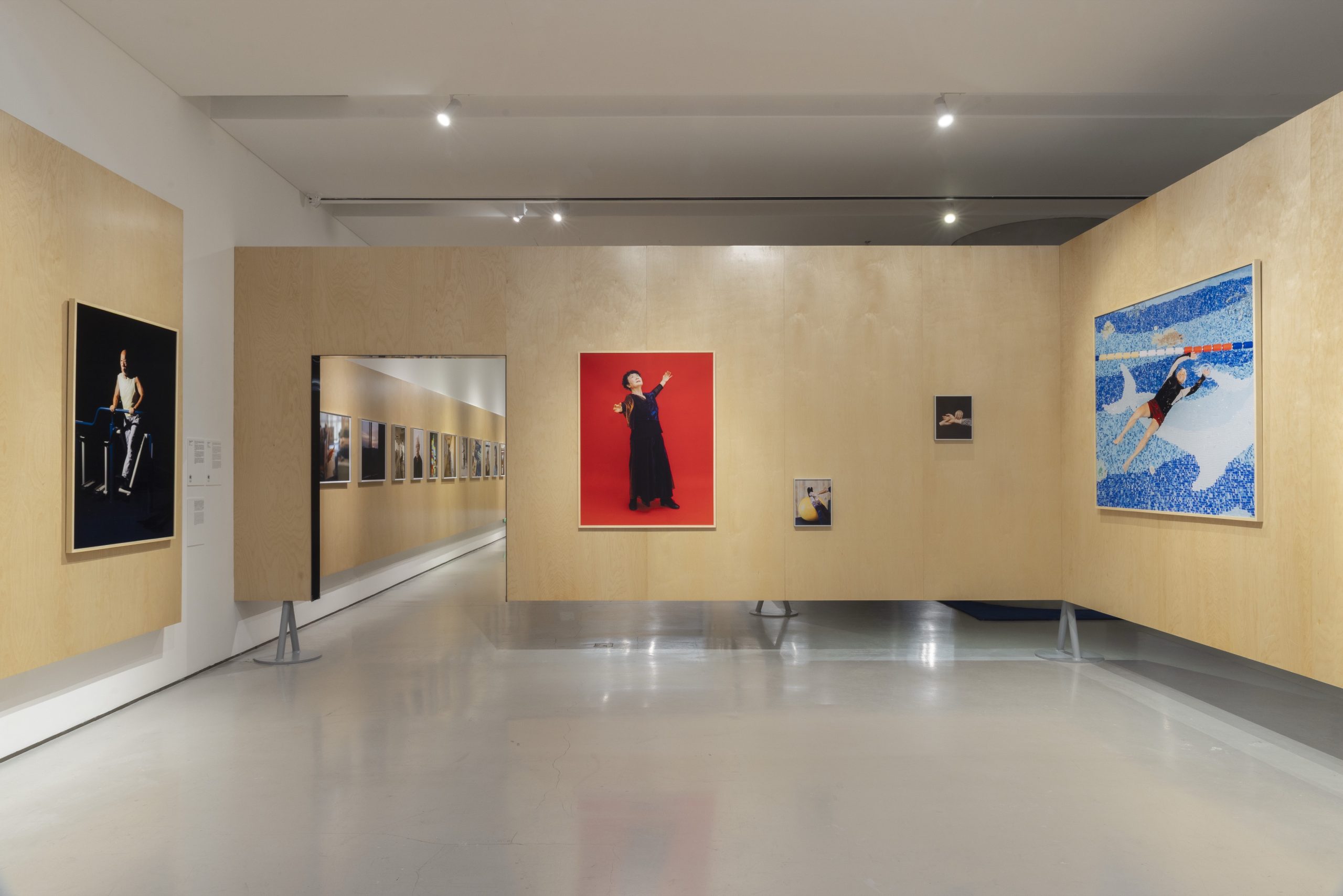
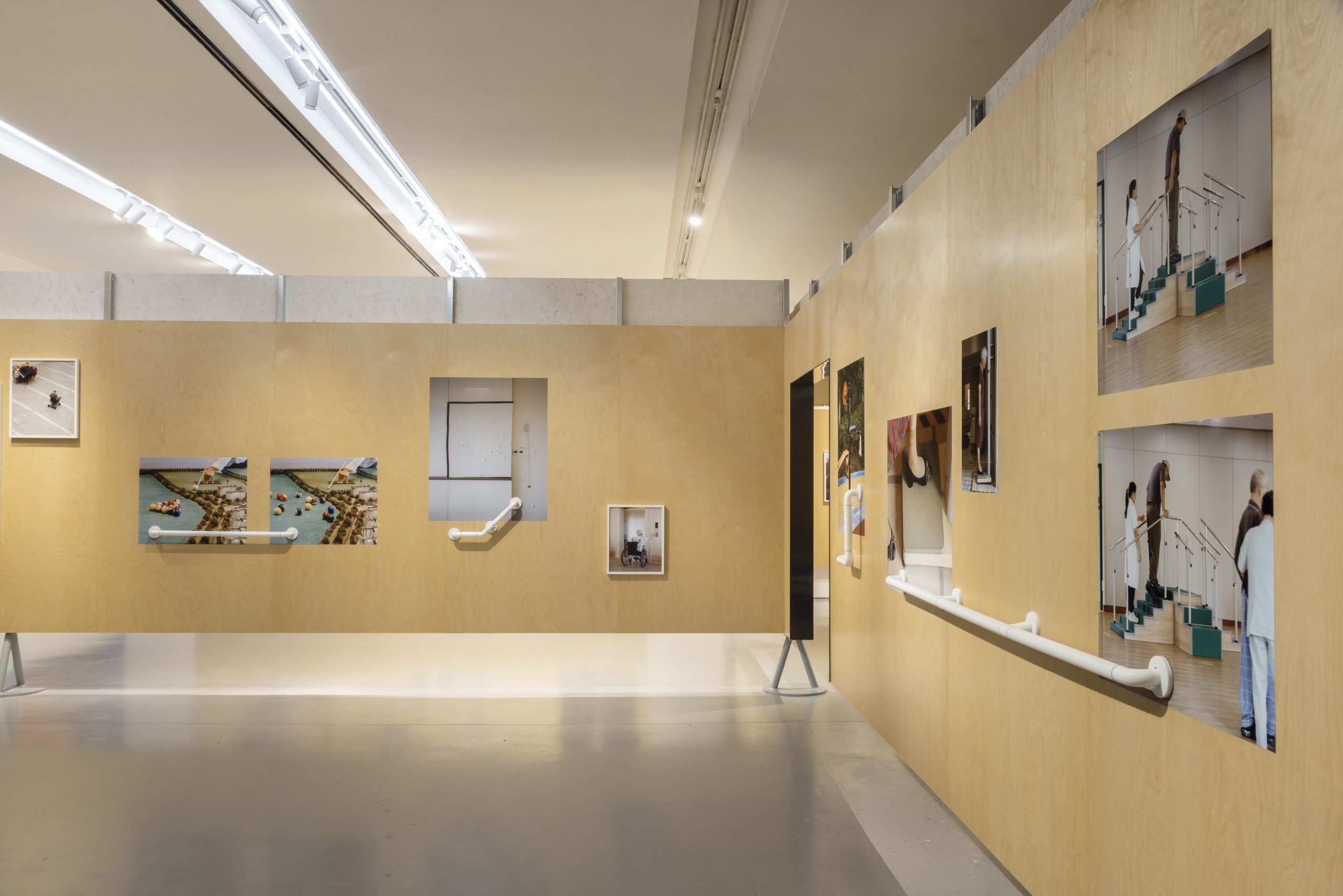
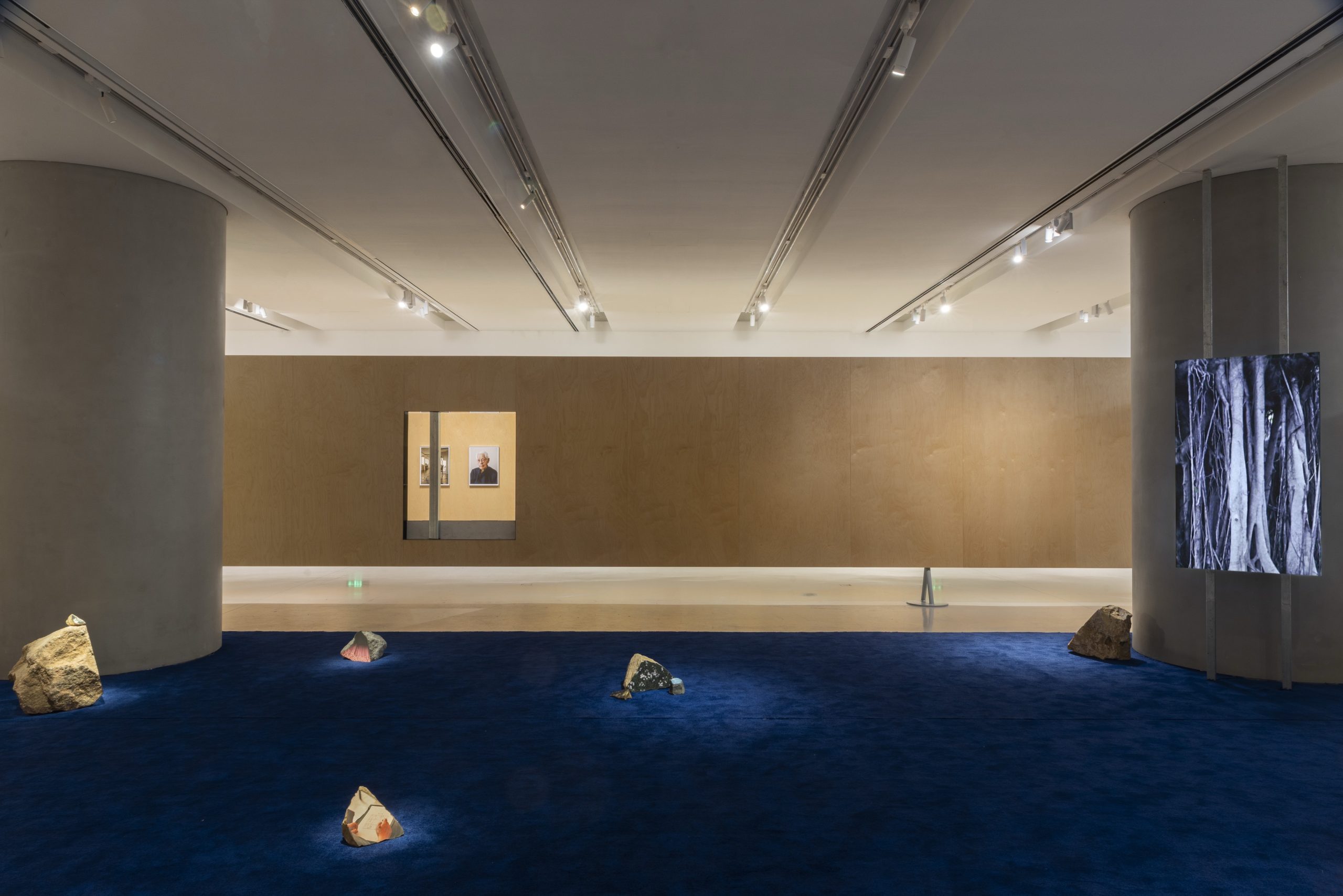
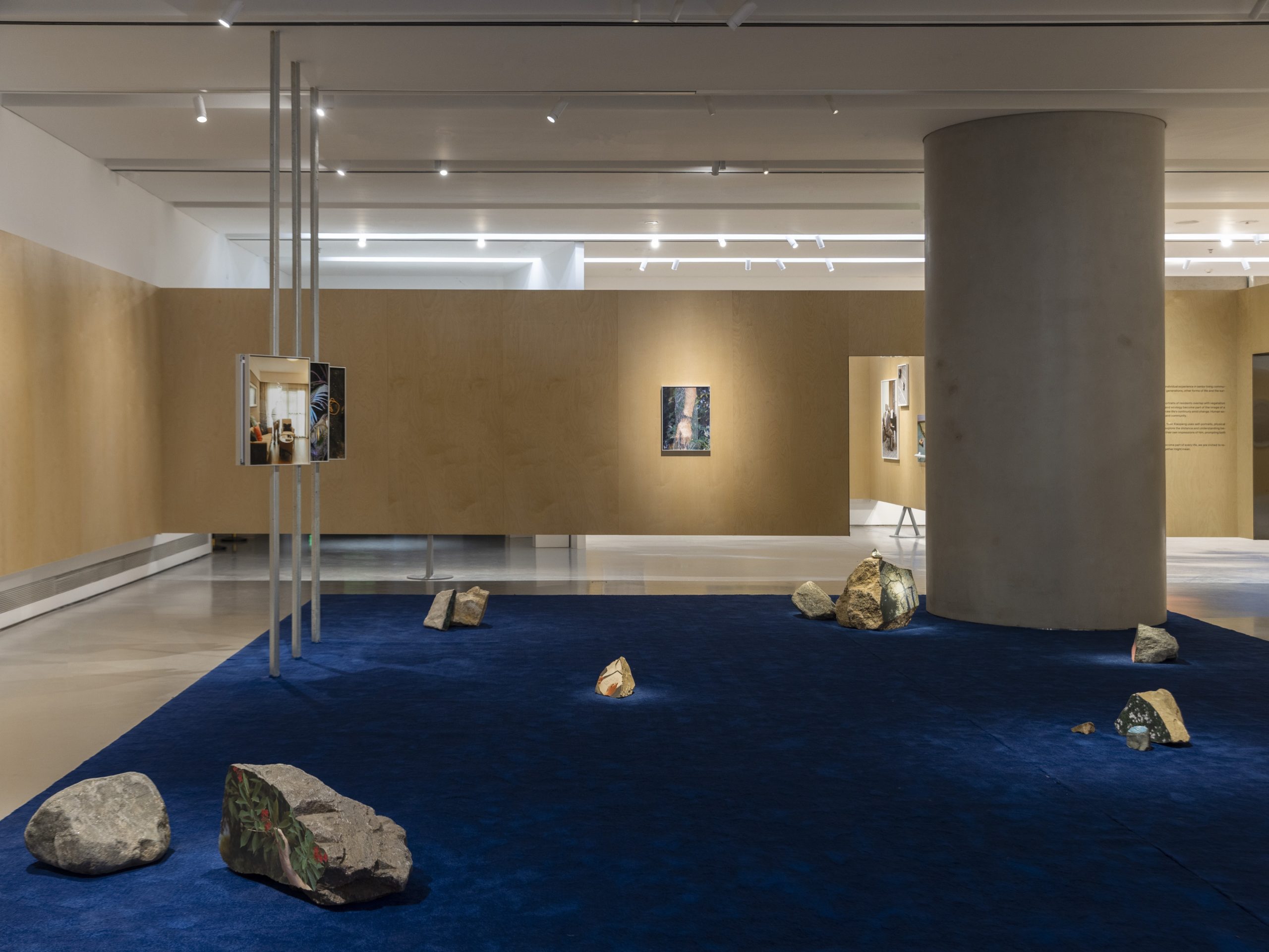
Huang Heshan
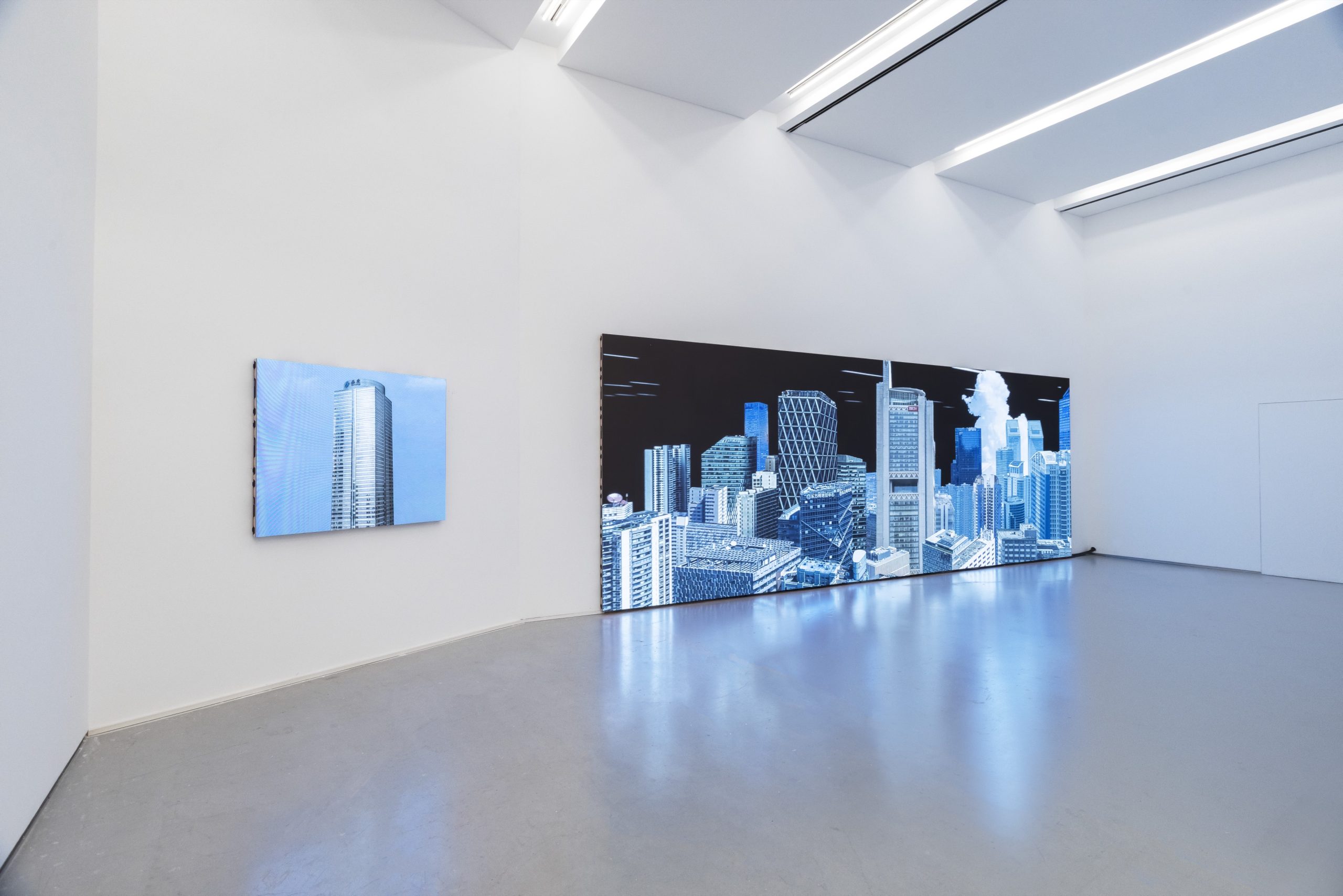
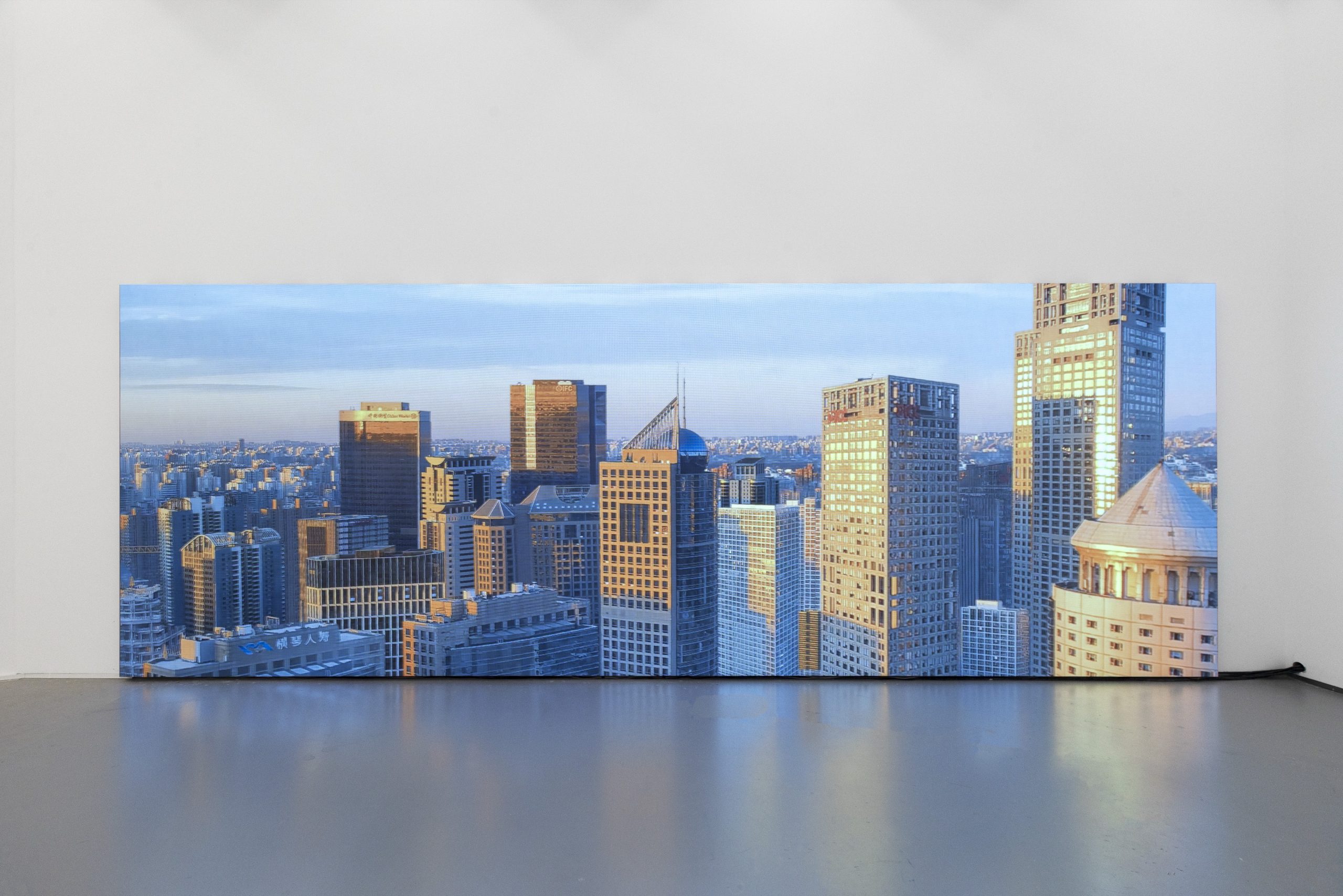
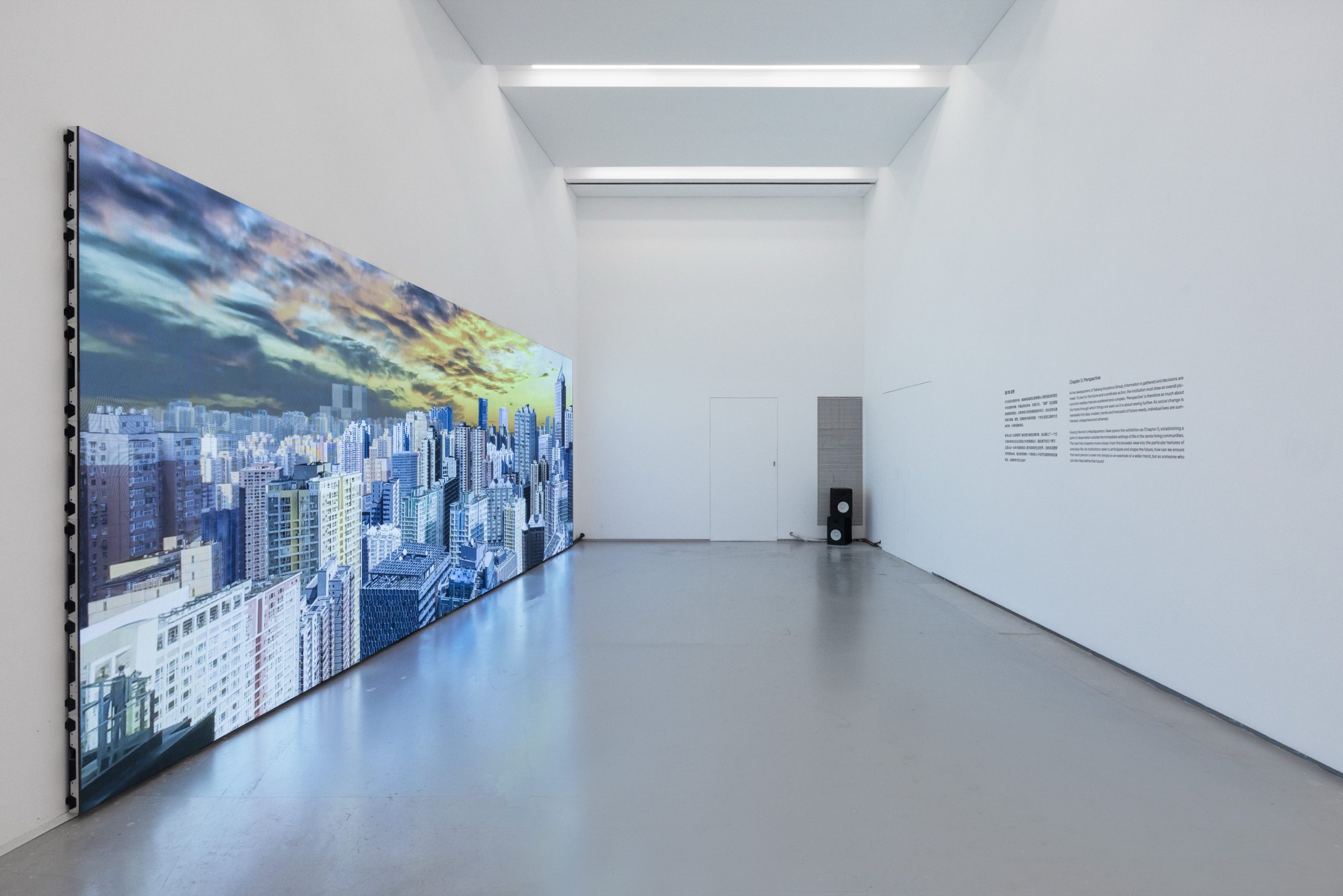
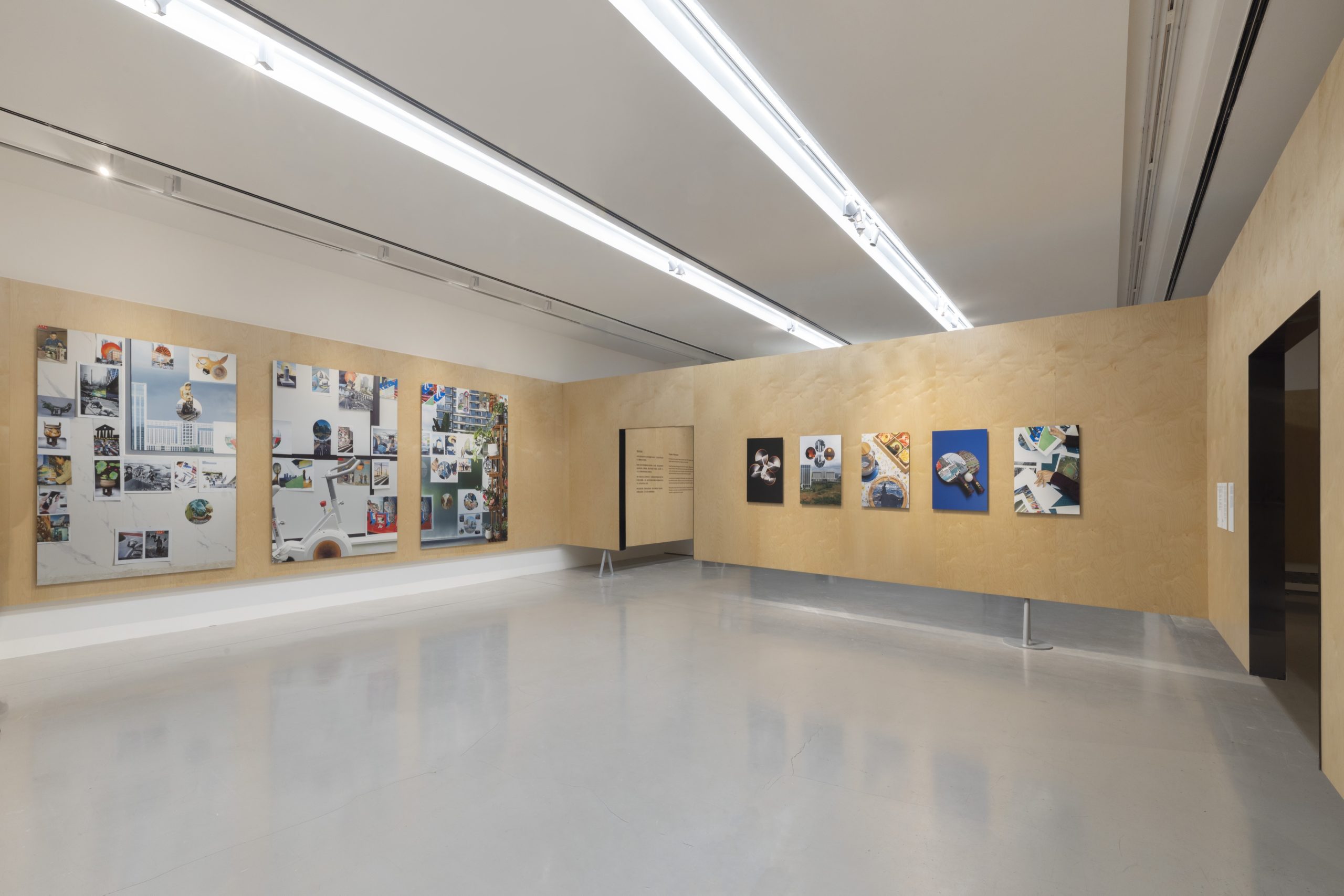
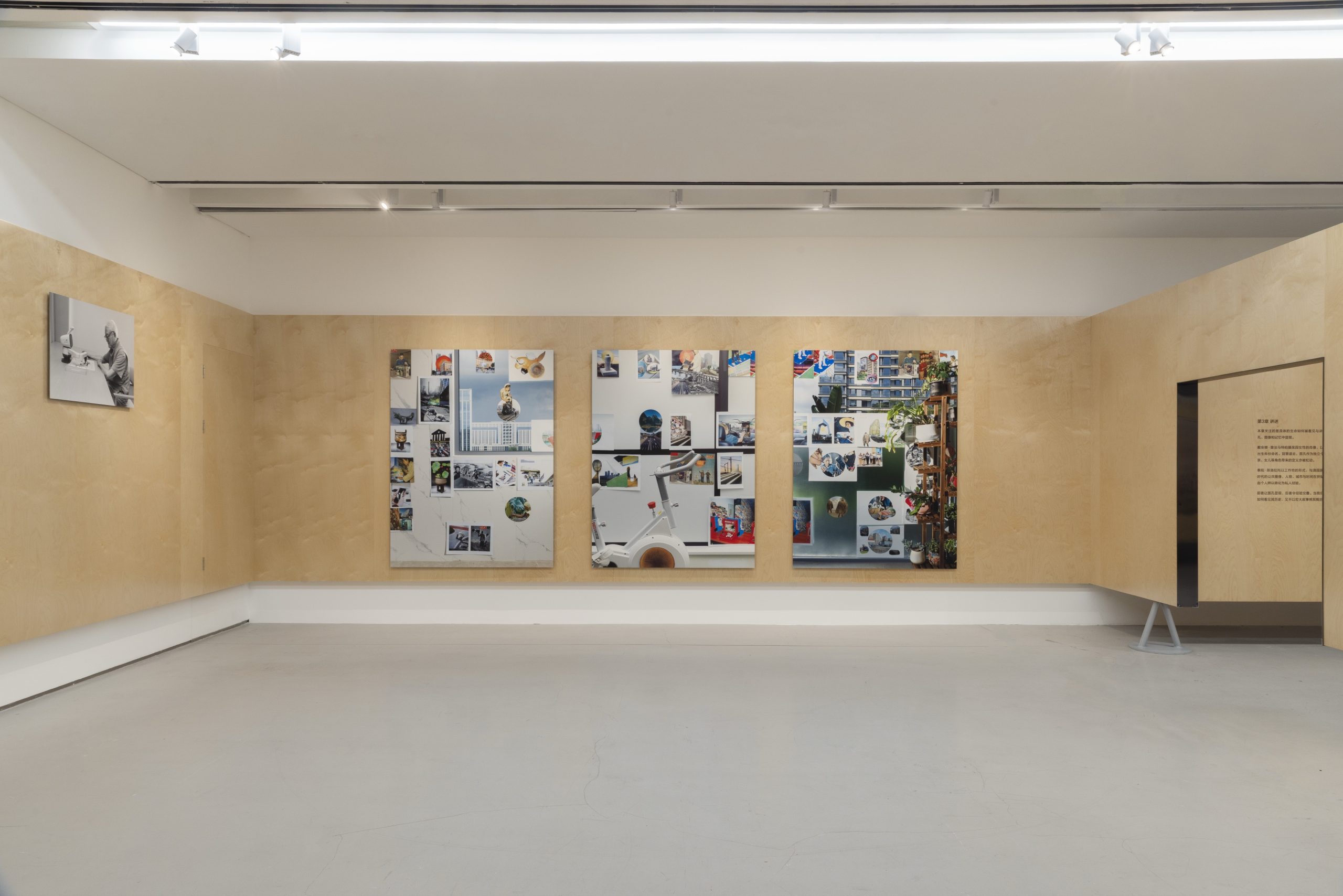
Huang Heshan was born in 1993 in Jiangmen, Guangdong Province. He currently lives and works in Beijing. He is a digital artist whose practice, as an observer of cities in the digital age, has consistently focused on the tension between individual life and rapidly changing environments amid China’s processes of urbanisation and digitalisation. Through representative works such as Wild Design and Fake IKEA—Urban Village Furniture Exchange Plan, he has developed a distinctive visual language. His Too Rich City series is one of his most influential virtual-city construction projects in recent years. His works have been exhibited at Fotografiska Shanghai, including Too Rich City: The Old White Swan Passenger (2025). In 2023, he participated in Night Dimension: The Night of the Gifts, an exhibition co-organised by UCCA in Shanghai.
Zhang Zhizhou
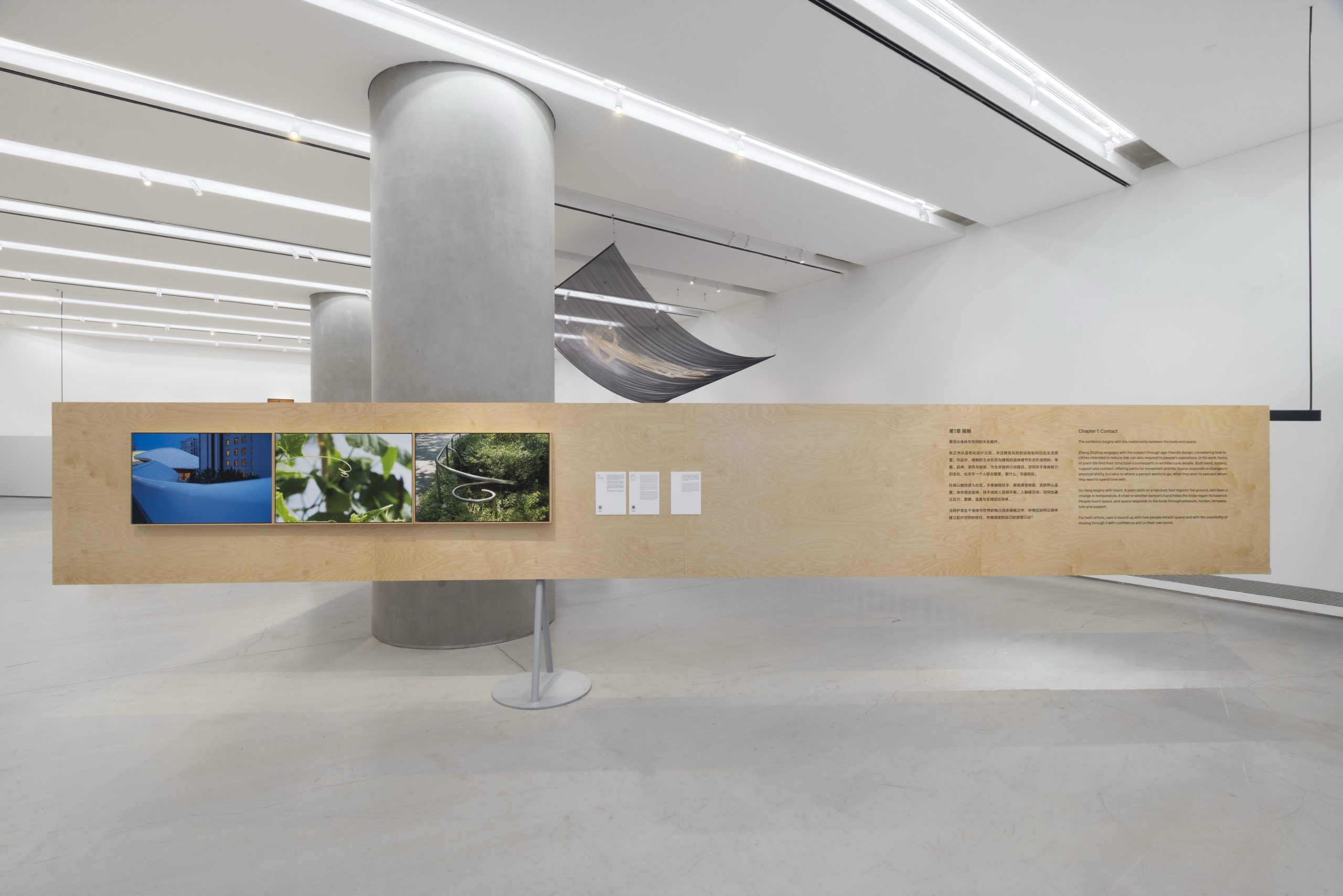
Zhang Zhizhou, born in 1985 in Beijing, China, is a professional photographer and artist working and living in Beijing. Beginning with photography, he has developed an artistic and writing practice that consistently explores the relationship between seeing and image. His work has been exhibited at the Beijing Photo Biennial, Jimei × Arles International Photo Festival, Lianzhou Foto Festival, Jinan International Photography Biennale, and in the 40 Years of Chinese Contemporary Photography, 1976–2018, among others. In 2017, he was shortlisted for the Three Shadows Photography Award and received the Shiseido Photography Award. As an architectural photographer, he has worked with publications and institutions including Decoration, Trends Home, Design Society and The Opposite House Beijing.
Du Yang
Born in 1988 in Anhui, China, Du Yang is a photographer and curator now based in Beijing. She graduated from the Department of Literature at the Beijing Film Academy. Her artistic practice has long focused on literary expression through images and on the representation of everyday experience, memory and individual perception through photography. Her works and self-published books have been widely exhibited at art institutions and art book fairs in China and abroad. Her Dark Time series was shortlisted for the Three Shadows Photography Award in 2015, and she has held solo exhibitions at [clas] gallery in Nagoya, Japan (A Handful of Sand, 2015) and Hilton Gallery in Tokyo (Slow and…, 2023). In her curatorial practice, she has continued to explore urban forms, collective memory and spatial narratives at a micro level. She has also collaborated with brands including Xiaomi and Fujifilm on cross-disciplinary visual projects and the creation of sample images.
Ryan Debolski
Ryan Debolski was born in Michigan, USA, in 1982. He currently lives and works in Atlanta. He received an MFA in photography from Cranbrook Academy of Art in 2014 and is a Fulbright Fellowship recipient. His book, LIKE, was shortlisted for the 2020 Paris Photo-Aperture Foundation PhotoBook Awards and received the Jurors’ Special Mention. His work has been published in The New York Times, M Le magazine du Monde and British Journal of Photography. His practice centres on photography at the intersection of architecture, studios and portraiture, alongside the documentation of artworks and photographic editing. He works from a position of clinical objectivity, recording the world as it is rather than as it might be interpreted.
Zhang Xiao
Zhang Xiao was born in 1981 in Yantai, Shandong, China. He graduated from the Department of Architecture and Design at Yantai University in 2005 and currently lives and works in Chengdu, Sichuan Province, China. In 2018, he was named the Robert Gardner Fellow in Photography at Harvard University. Zhang Xiao’s artistic creation has gradually shifted from documentary photography to conceptual art. Through various media (photography, video, installation, archives, etc.), he expresses his observations and thoughts on contemporary society. His works are both documentary and symbolic, presenting the complexity and diversity of Chinese society with a unique visual language. His They series won the Grand Prize at the Three Shadows Photography Award in 2010. His Coastline series received the Hou Dengke Documentary Photography Award (2009), won the China division of the French Photography Talent Award (2010), and received the Prix HSBC pour la Photographie (2011). In 2025, he held a large-scale solo exhibition, The Mortal Immortals, at Chengdu A4 Art Museum.
Aleix Plademunt
Aleix Plademunt, born in 1980 in Girona, is a photographer based in Barcelona. His artistic practice is rooted in photography and publishing. He particularly focuses on observation, discovery, questioning, understanding, and establishing unexpected connections between all things on our planet and even in the broader universe. His projects create new dimensions of meaning by associating a series of images through carefully composed photographs.
His book Matter was awarded as ‘Best Book of the Year’ at PhotoEspaña (2023), ‘Best Book Design from All Over the World’ by Stiftung Buchkunst (2023) and ‘The Most Beautiful Swiss Book of the Year’ by the Swiss Federal Office of Culture (2023).
Since 2003, he has presented more than 30 solo exhibitions and participated in more than 70 group exhibitions internationally.
Diana Pfammatter
Diana Pfammatter, born in 1987 in Visp, Switzerland, is a photographer living and working in Berlin. Working freelance since 2013, she holds a B.A. in Postindustrial Design from the Basel Academy of Art and Design FHNW (HGK Basel). Her work is grounded in a close, patient attention to the people she photographs. She is drawn to what is unguarded and specific rather than staged. Pfammatter has collaborated extensively with institutions including Kunsthalle Basel, Schauspielhaus Zürich, Portikus, MMK Frankfurt am Main, Haus der Kunst Munich and Gropius Bau Berlin, photographing artists and documenting exhibitions and performances. She contributes regularly to magazines such as Vogue Germany and ArtReview.
Taiyo Onorato
Born in 1979 in Zurich, Taiyo Onorato is a Swiss artist based in Biel/Bienne. In 2025, he completed an MA in Fine Arts at Lucerne University of Applied Sciences and Arts (HSLU). His practice moves between photography, moving image, installation and experimental processes, often exploring the boundaries of photographic representation and the relationship between images, materials and technologies. From 2003 to 2023, Onorato worked in close collaboration with Nico Krebs as the artist duo Taiyo Onorato & Nico Krebs. Their work has been exhibited at numerous international art institutions. In 2013 they received the Foam Paul Huf Award. Since the end of the collaboration, Onorato has developed an independent artistic practice, expanding photography through video, printmaking, laser processes, installation and experiments with unconventional image carriers and materials.
Aleksey Kondratyev
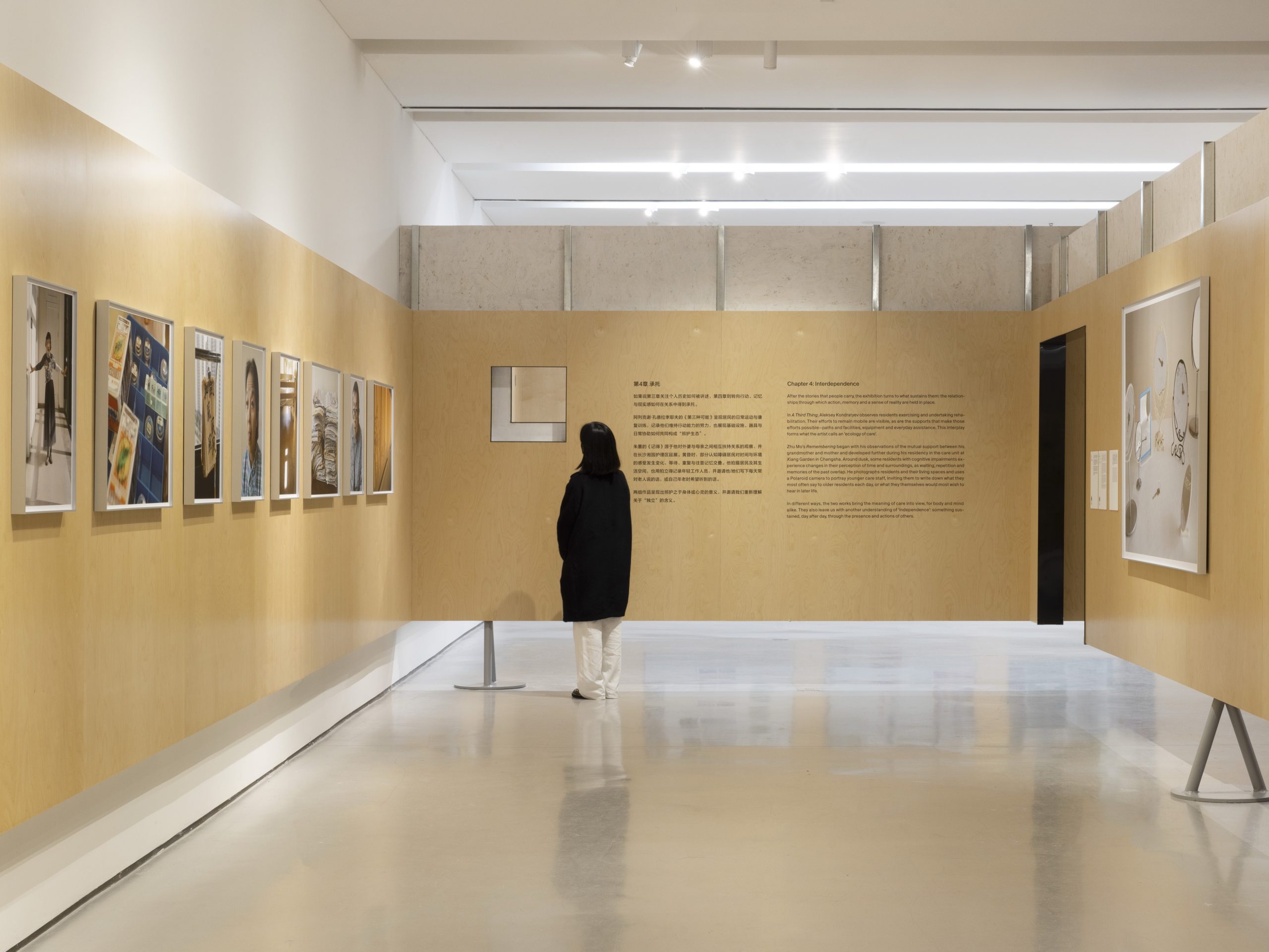
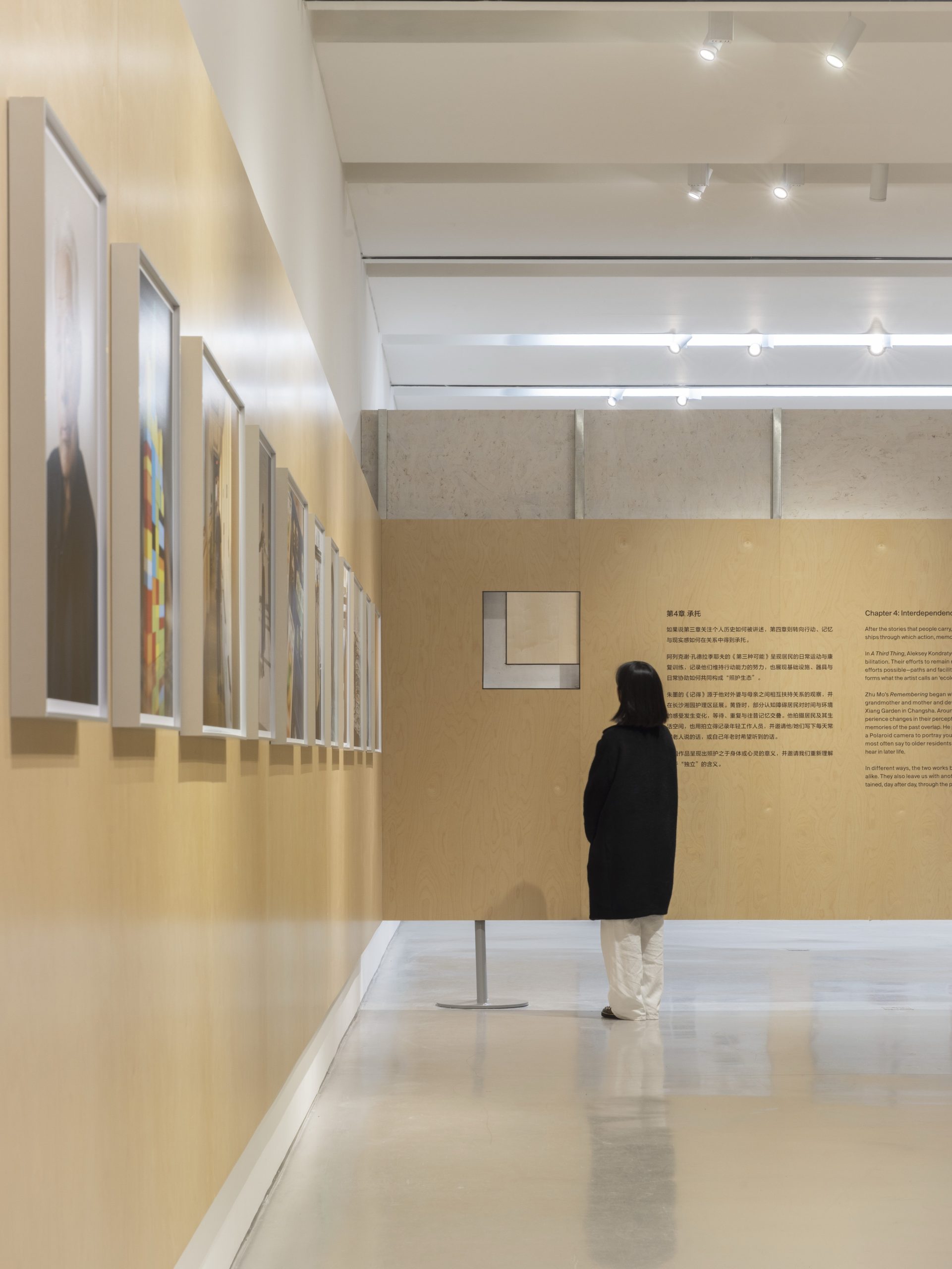
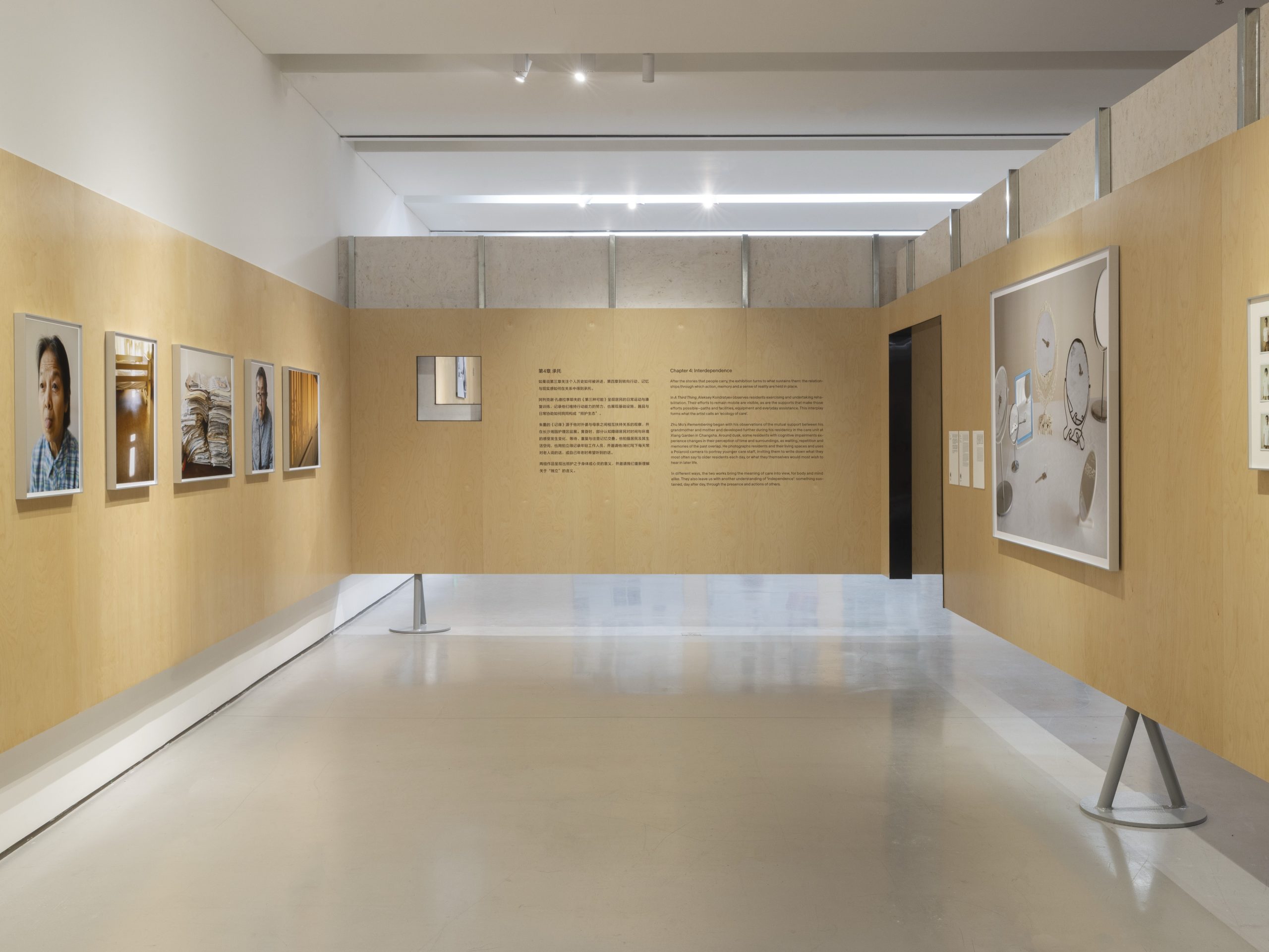
Aleksey Kondratyev (b. 1993, Bishkek, Kyrgyzstan) is an artist based in Los Angeles. His practice explores the relationships between people, communities and the built environment, examining how systems of labour, trade and technology shape the spaces we inhabit and the ways we live. He is interested in how people adapt to their surroundings and how these environments influence everyday life. Working across documentary and conceptual approaches, he often begins with specific places and communities to explore wider social and economic forces. His work has been exhibited internationally, including Ice Fishers at the SFO Museum in San Francisco, Catherine Edelman Gallery in Chicago and Blue Sky Gallery (Oregon Center for the Photographic Arts) in Portland. His photographic series Ice Fishers was published as a book in 2018. He received the Magenta Foundation Bright Spark Award in 2018 and the Burn Young Talent Award in 2019.
Zhu Mo
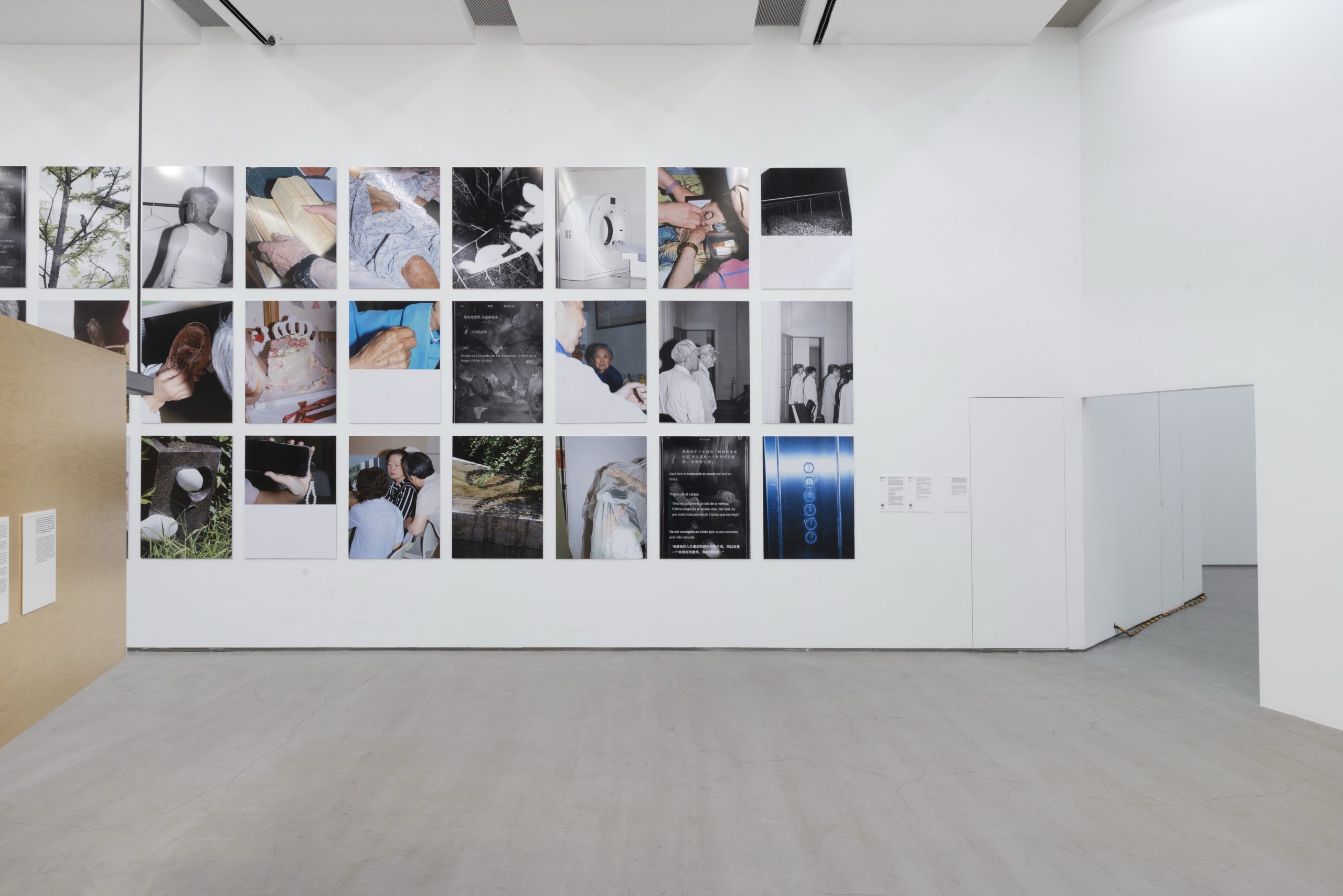
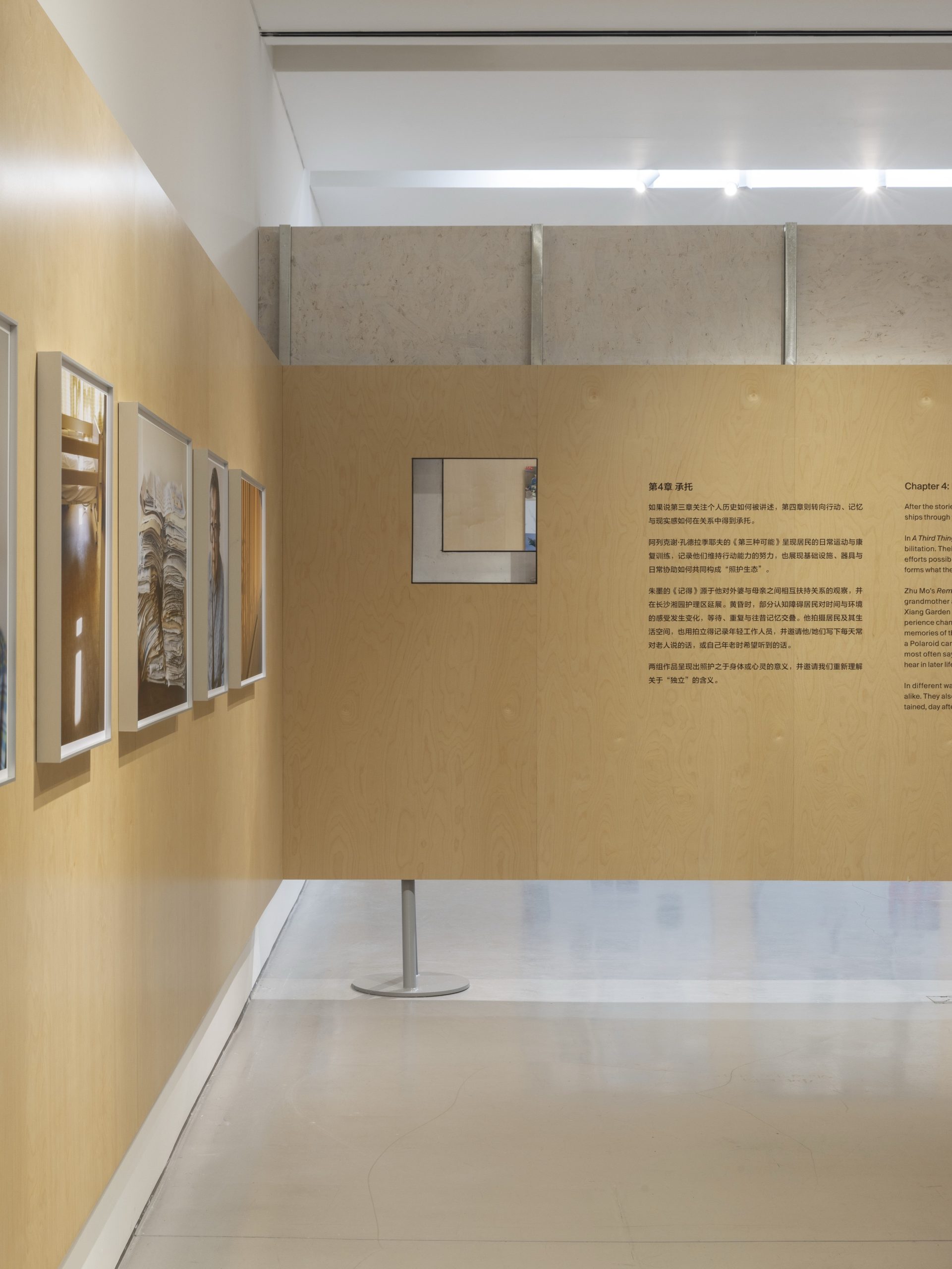
Zhu Mo was born in Changsha, Hunan, in 1984 and currently lives and works in Beijing. He is a contemporary photographer whose practice combines documentary observation with a poetic and humanistic sensibility. Through a restrained visual language, he explores the relationship between individual experience and broader social transformations, capturing fleeting moments that reflect the spirit of the times. His work balances stillness and movement, revealing moments of everyday life while offering a thoughtful perspective on the changing world around us. He was selected for the Three Shadows Photography Award in 2012 and participated in the first Beijing Photo Biennial in 2013. In 2012, he published the photobook The Emptiness with French publisher Éditions Bessard. In 2019, he received the Abigail Cohen Fellowship from the Magnum Foundation. In 2024, he was nominated for the 11th Prix Pictet.
Yuan Xiaopeng
Yuan Xiaopeng, born in 1987 in Jiangxi, China, is a photographer based in Shanghai and is the founder of the online brand Same Paper. Working primarily with cameras and mobile phones, he uses street photography to capture urban landscapes and everyday encounters. His practice explores the relationship between people and the city, drawing attention to the disorder of urban life and the subtle absurdities and overlooked details of the everyday.
His magazine and media collaborations include GQ, TANK Magazine, Wallpaper*, KINFOLK, T Magazine, Fantastic Man and i-D. His selected exhibitions include Clairvoyant Proverb at the Huawei Global Flagship Store in Shanghai (2020); the group exhibition The Endless Garment: Research Station at X Museum, Beijing (2021); From a Common Gesture, a group photography exhibition curated by Wallpaper* at 10 14 Gallery, London (2024); Shadow Self at Huis Marseille, Amsterdam (2024); and Photos on Fridges, a group photography exhibition at HARKAWIK Gallery, New York.
O Group (José Cárdenas, Pan Yihan)
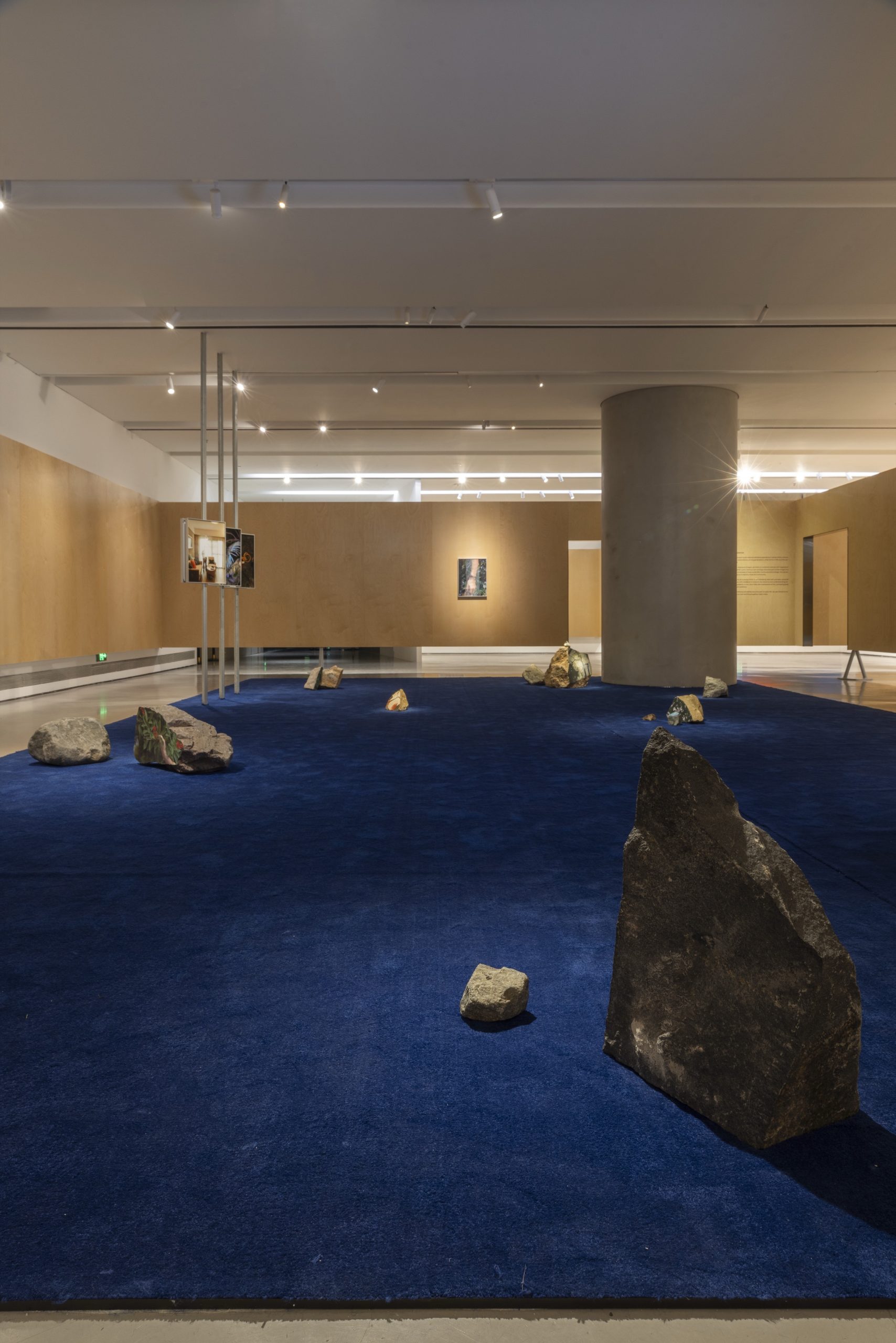
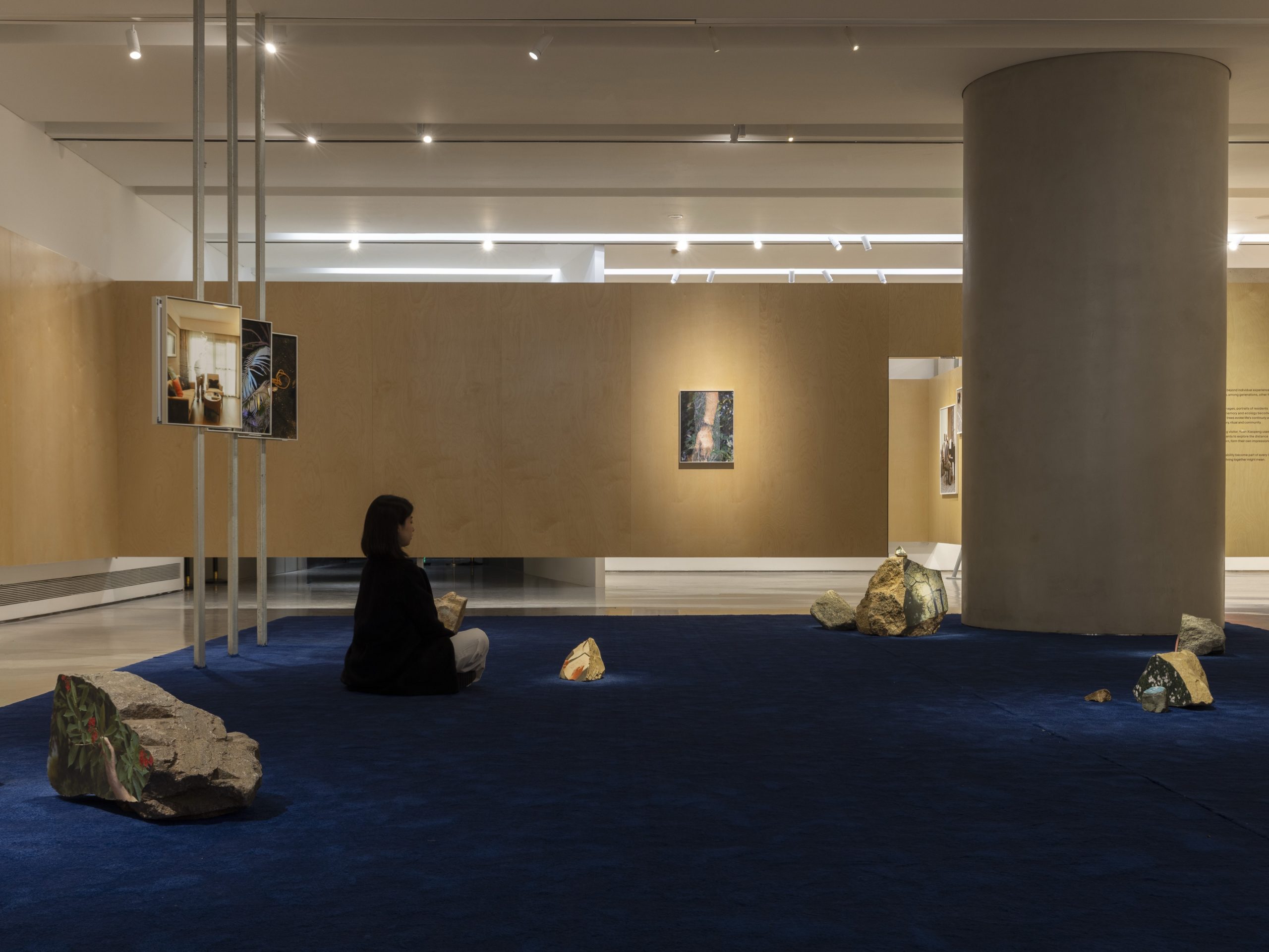
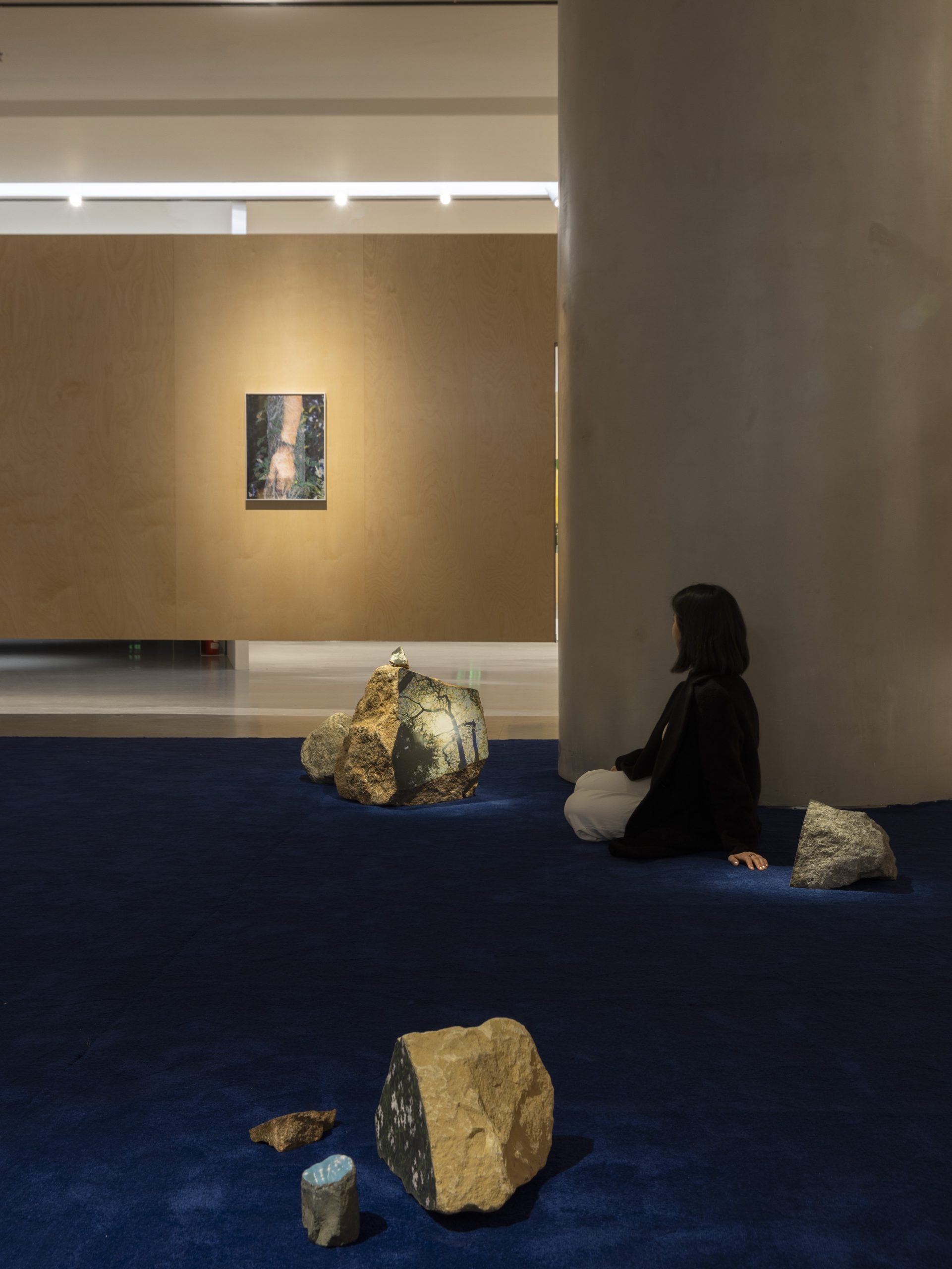
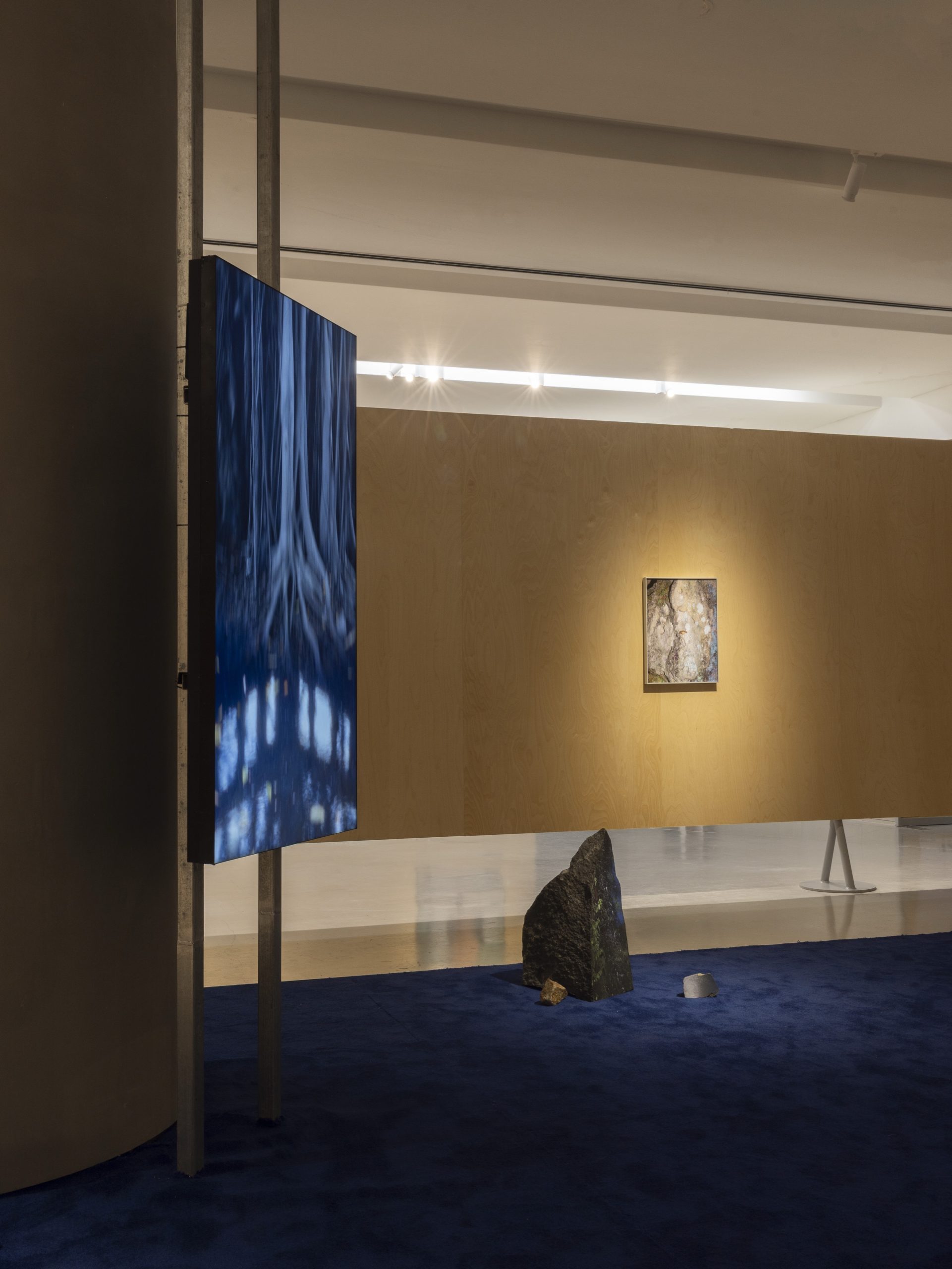
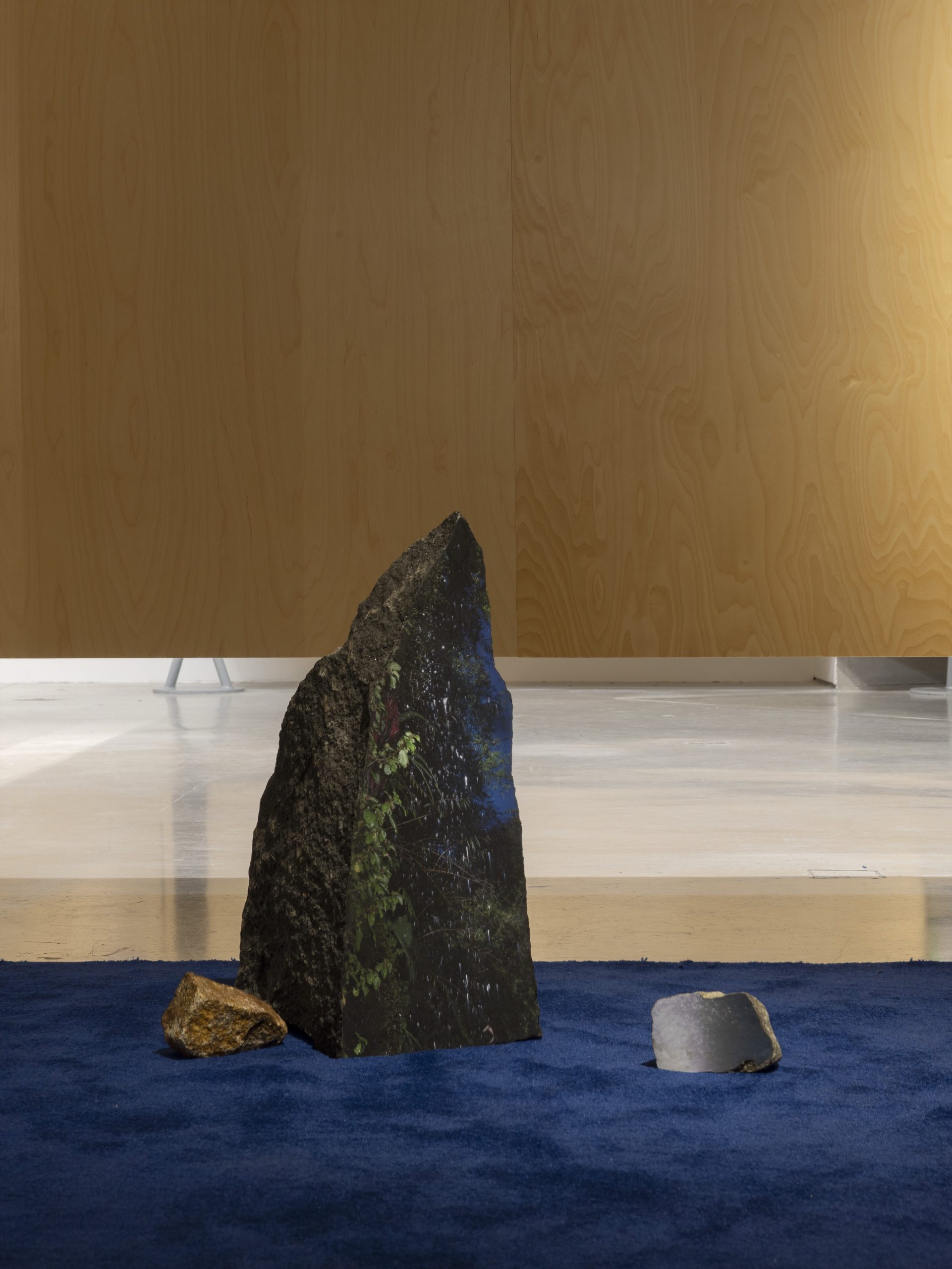
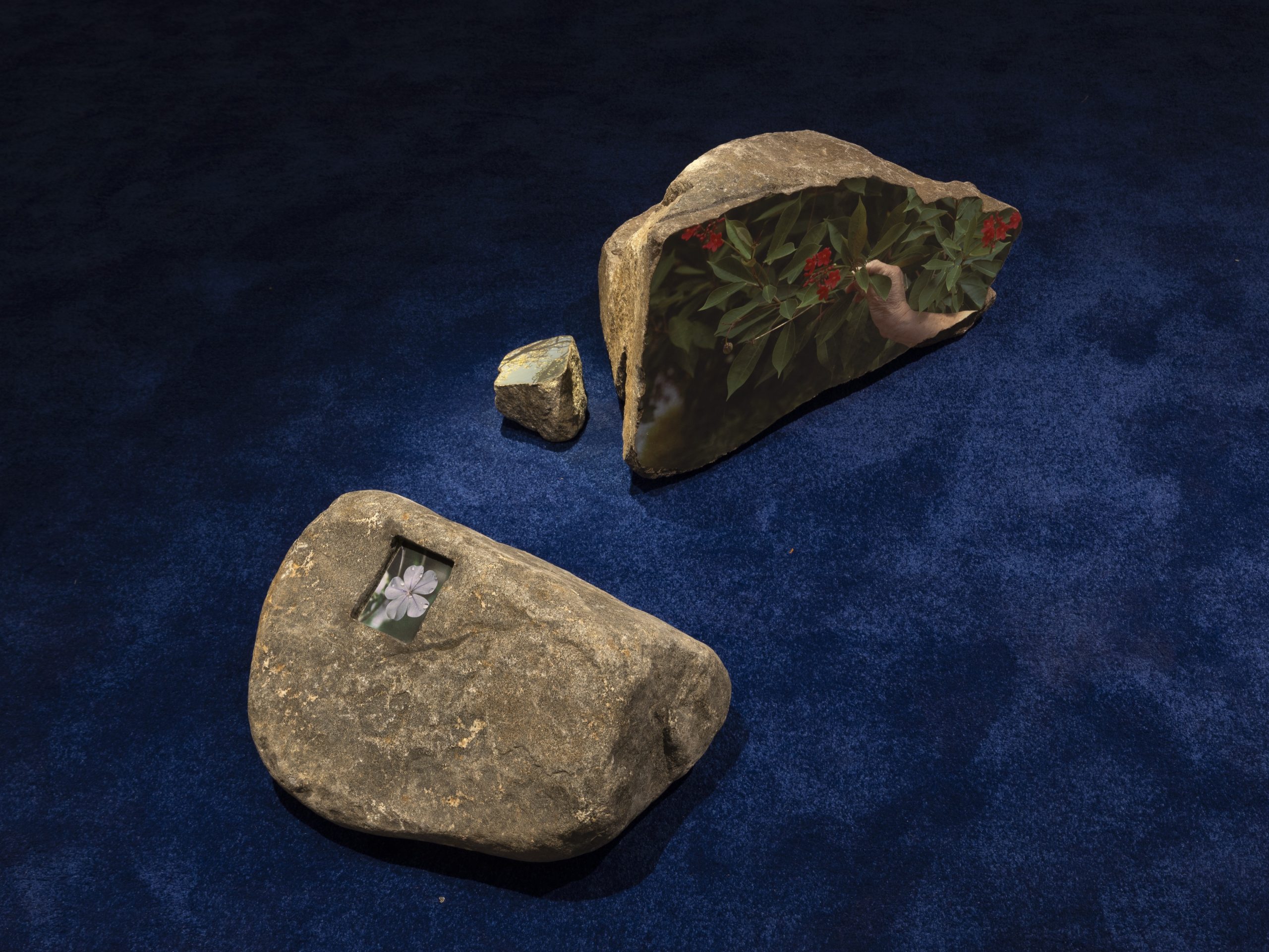
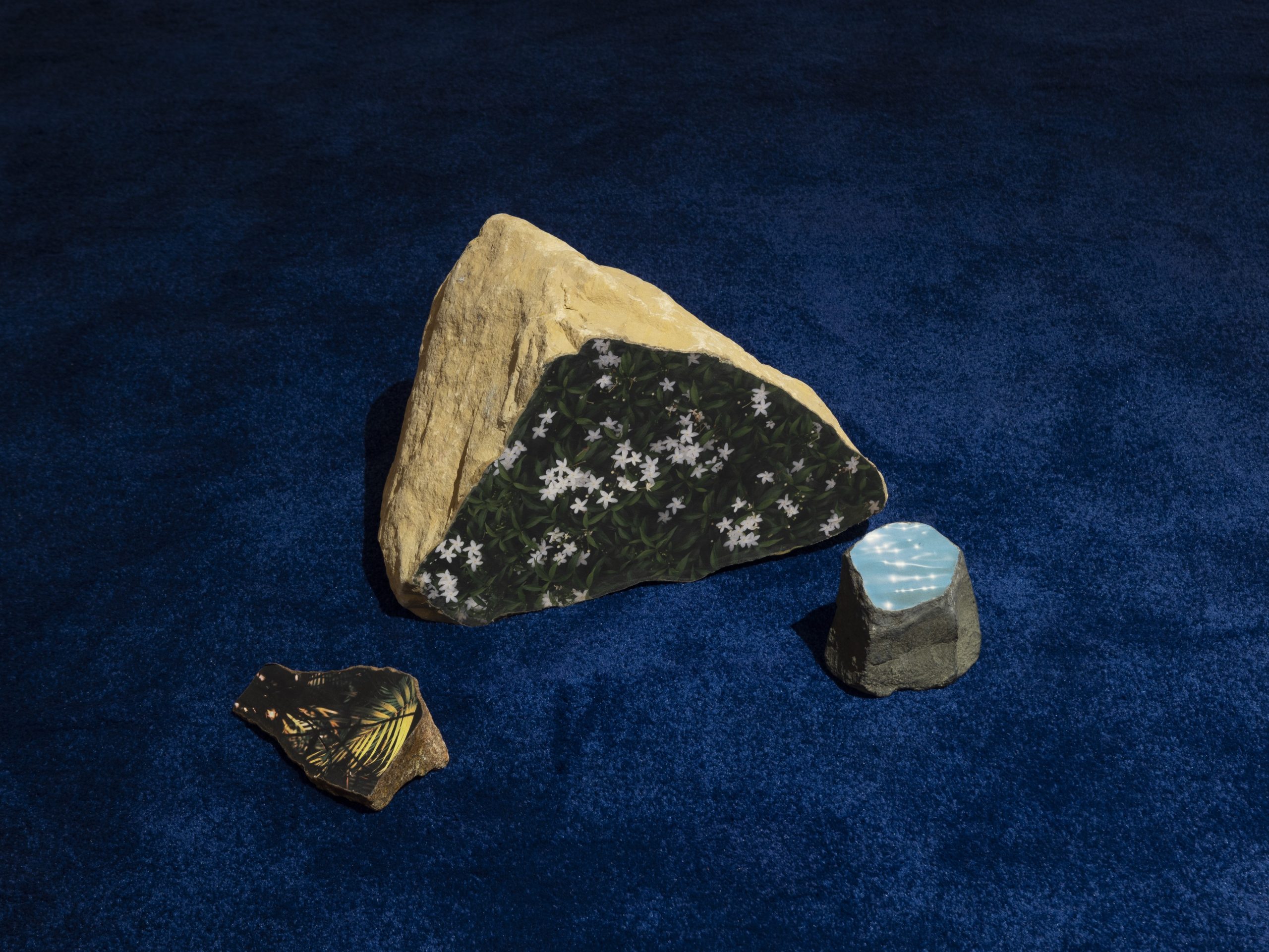
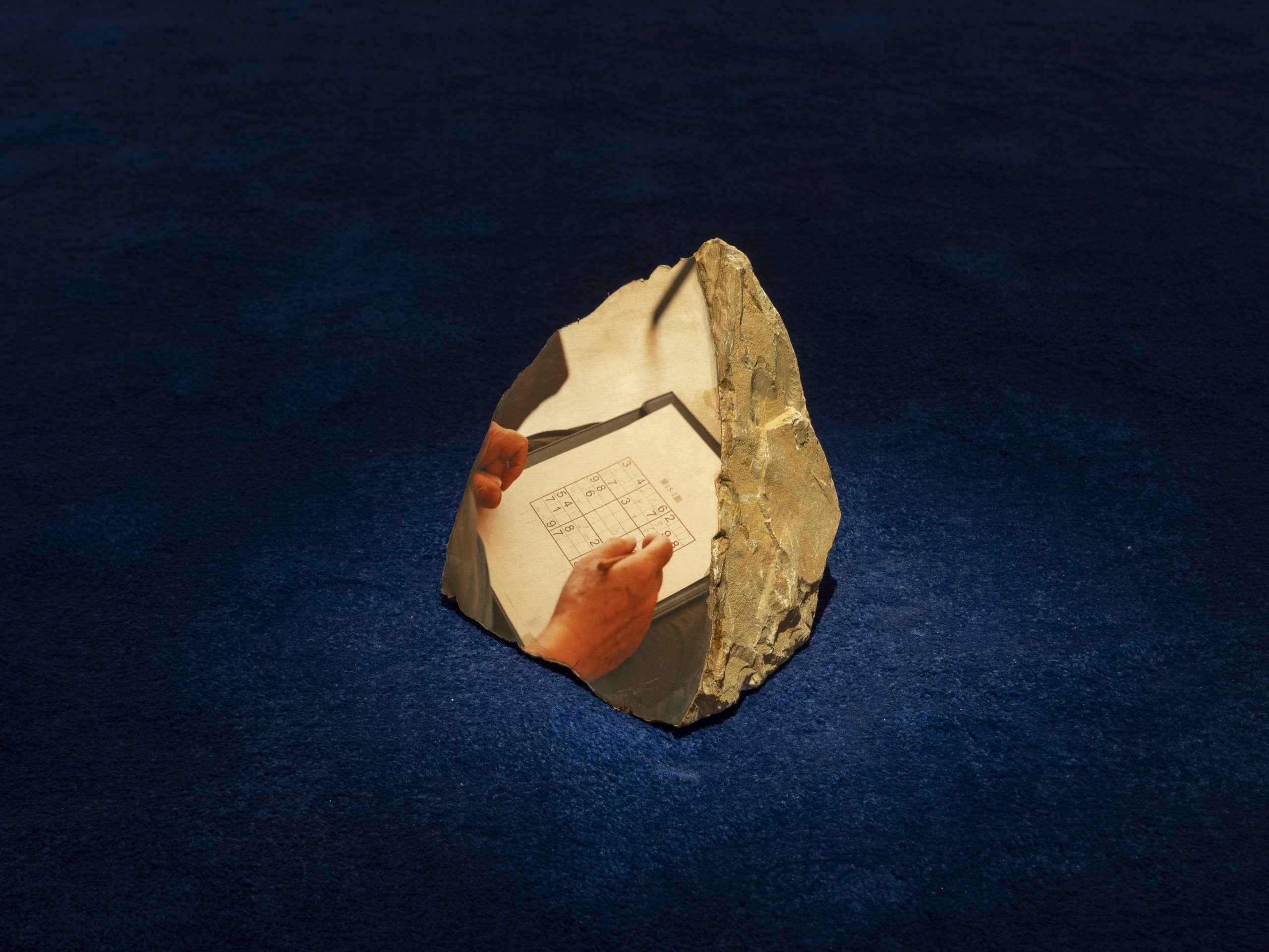
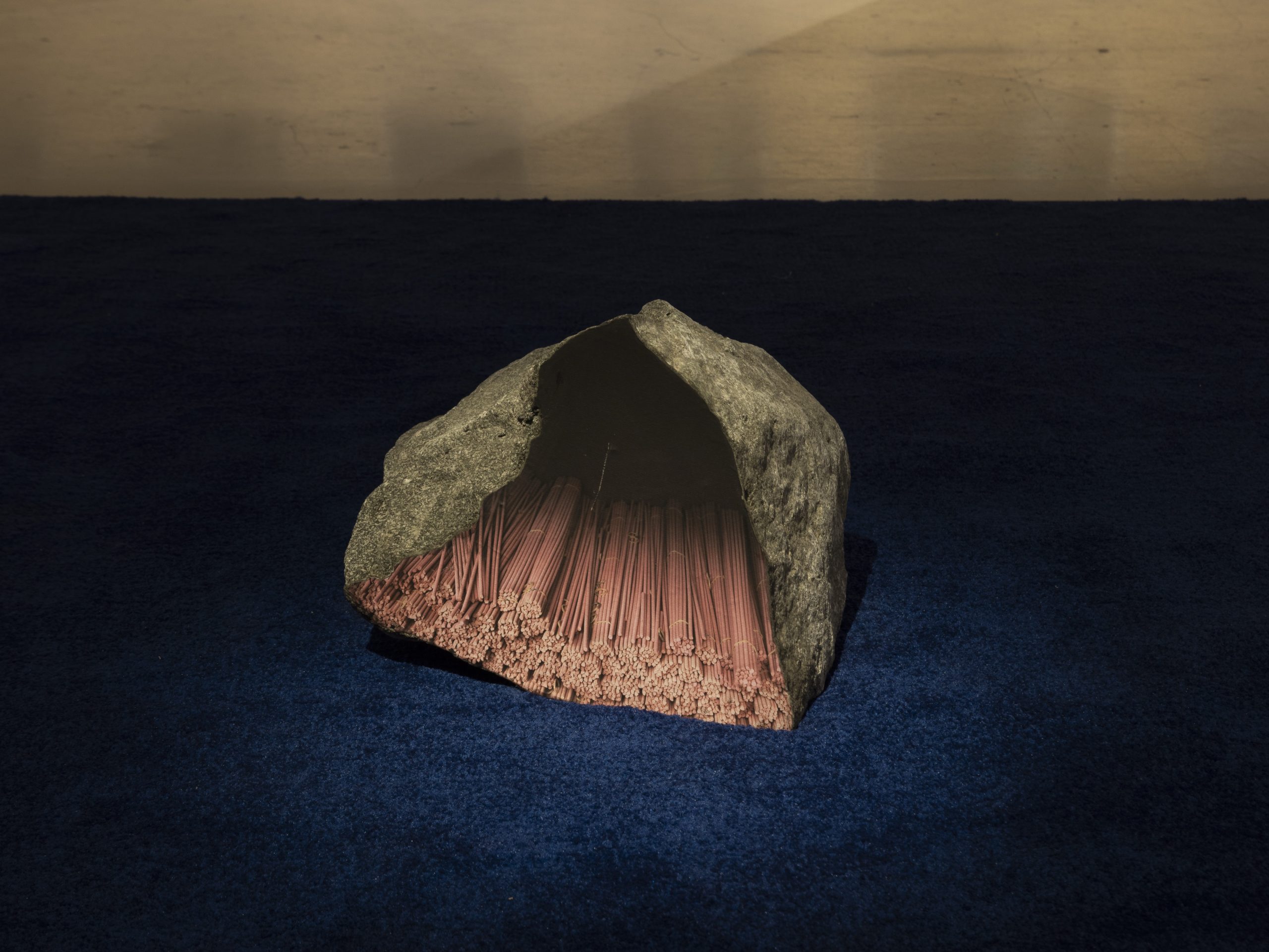
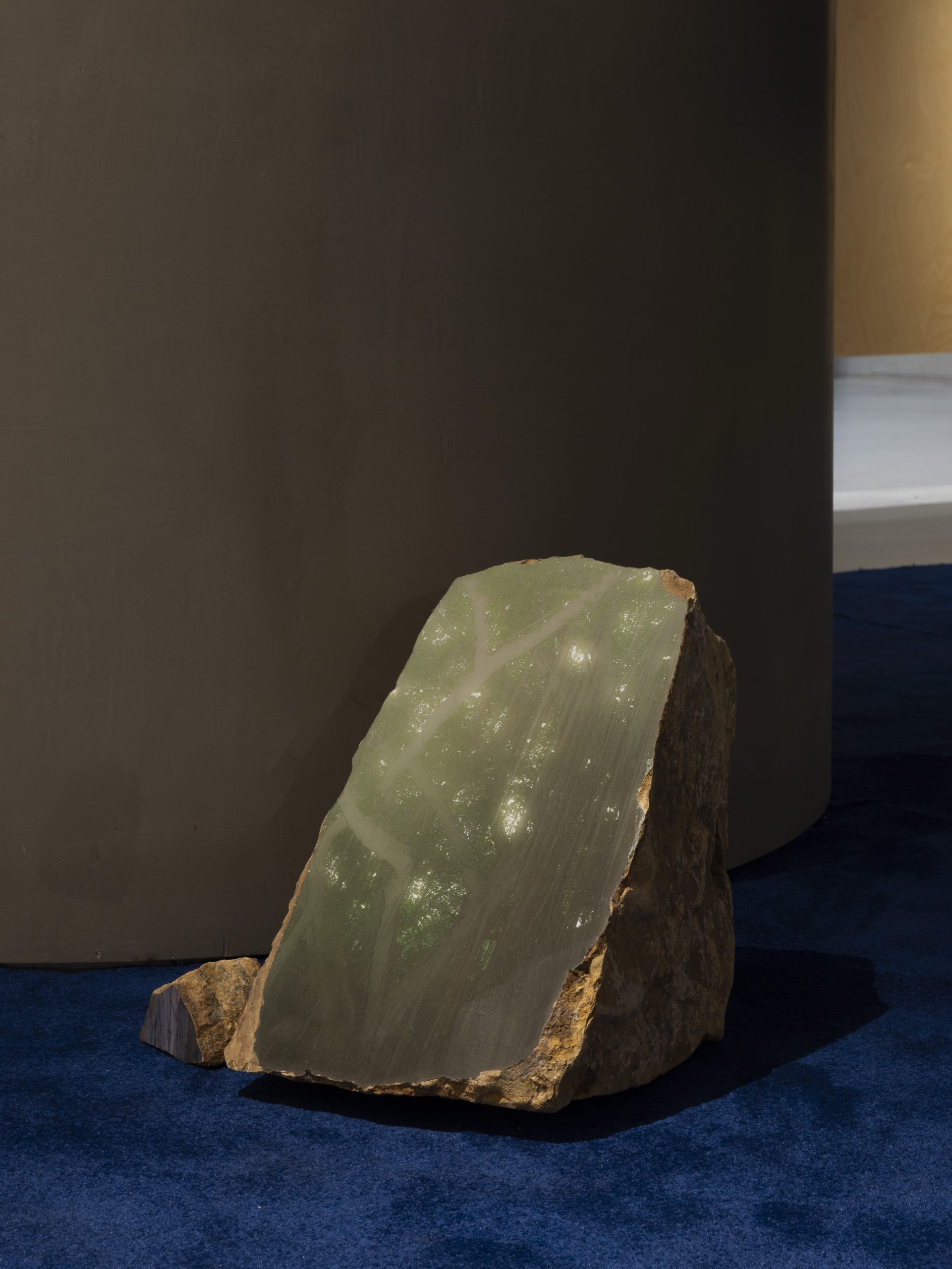
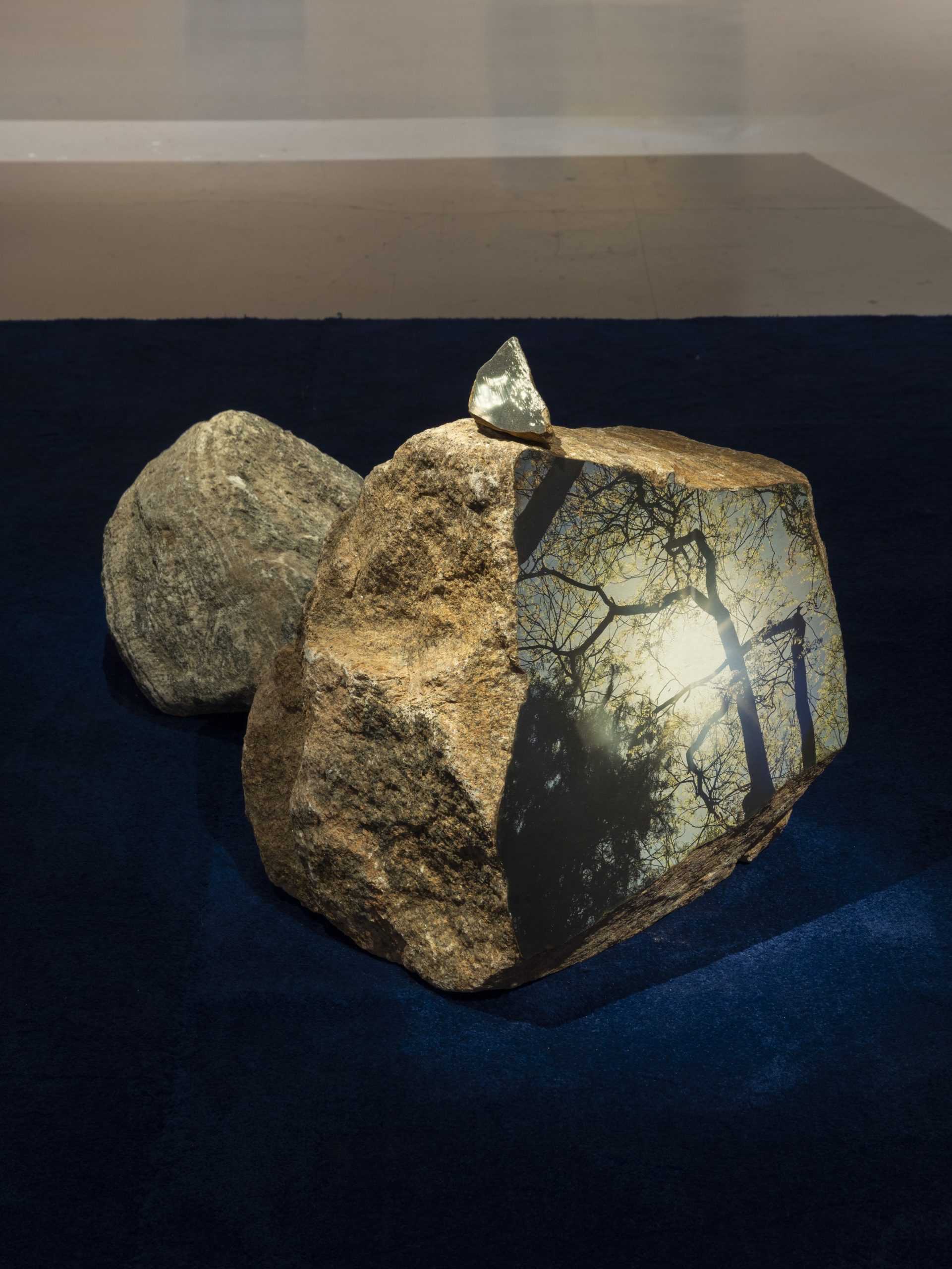
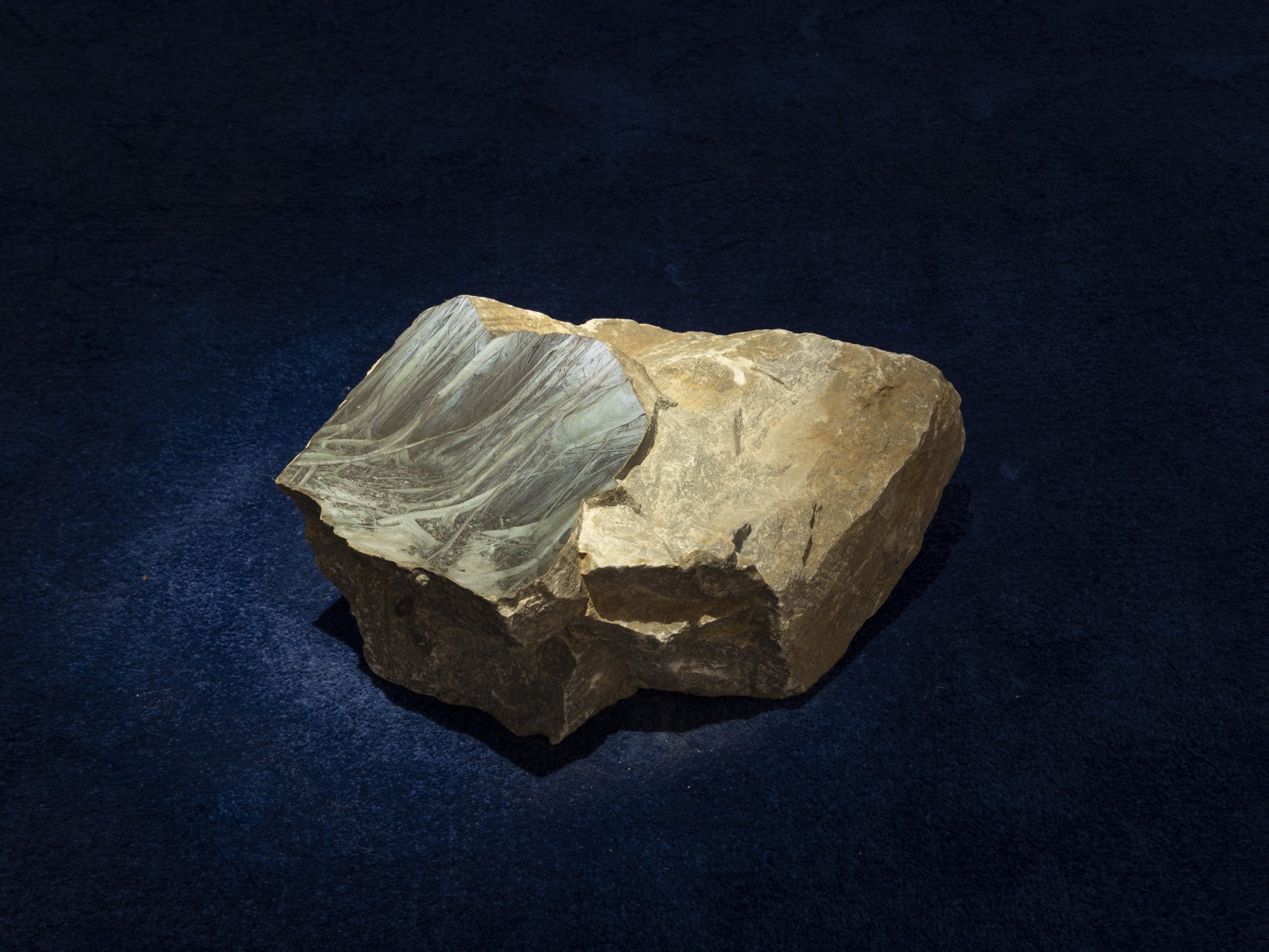
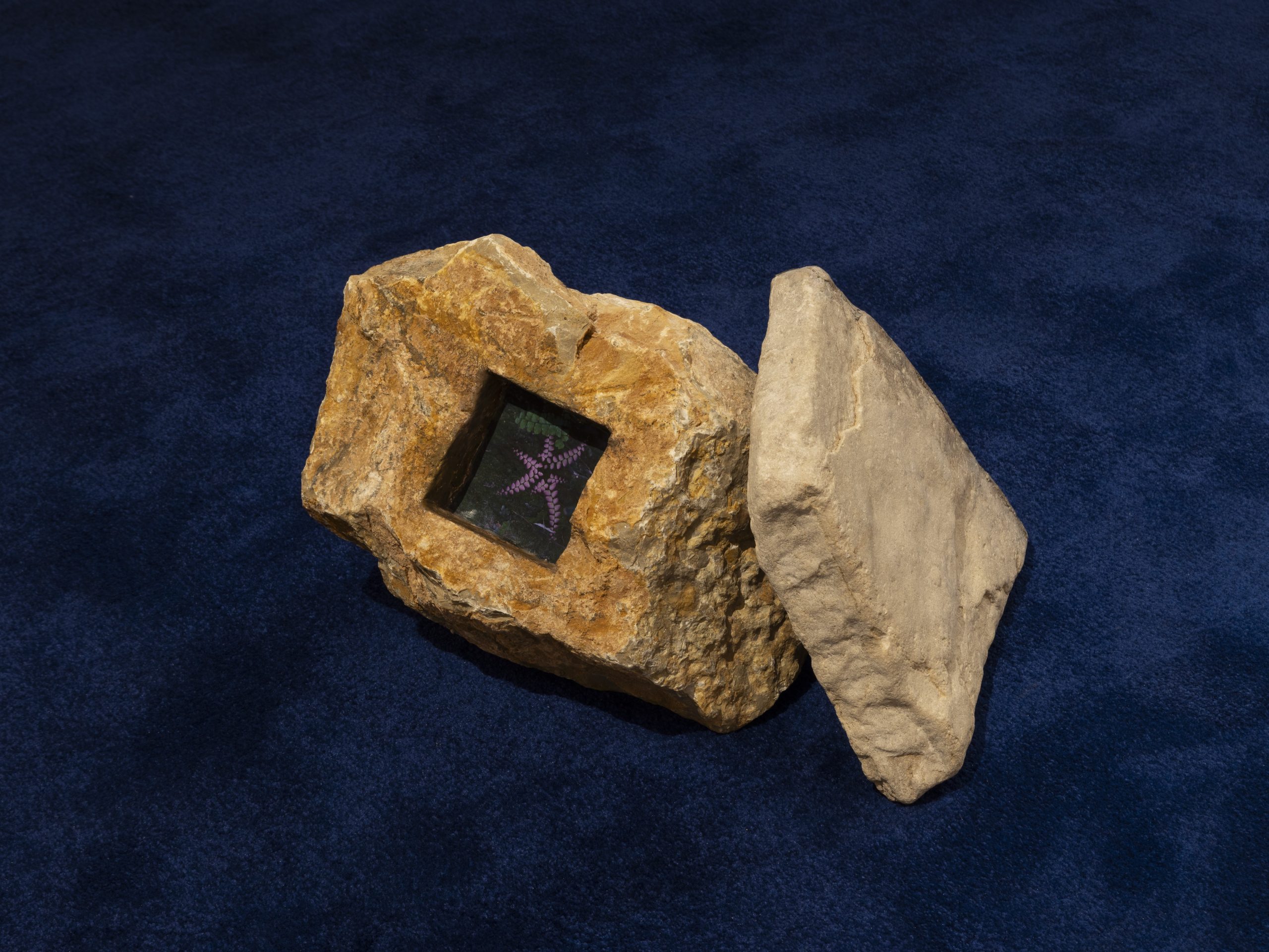
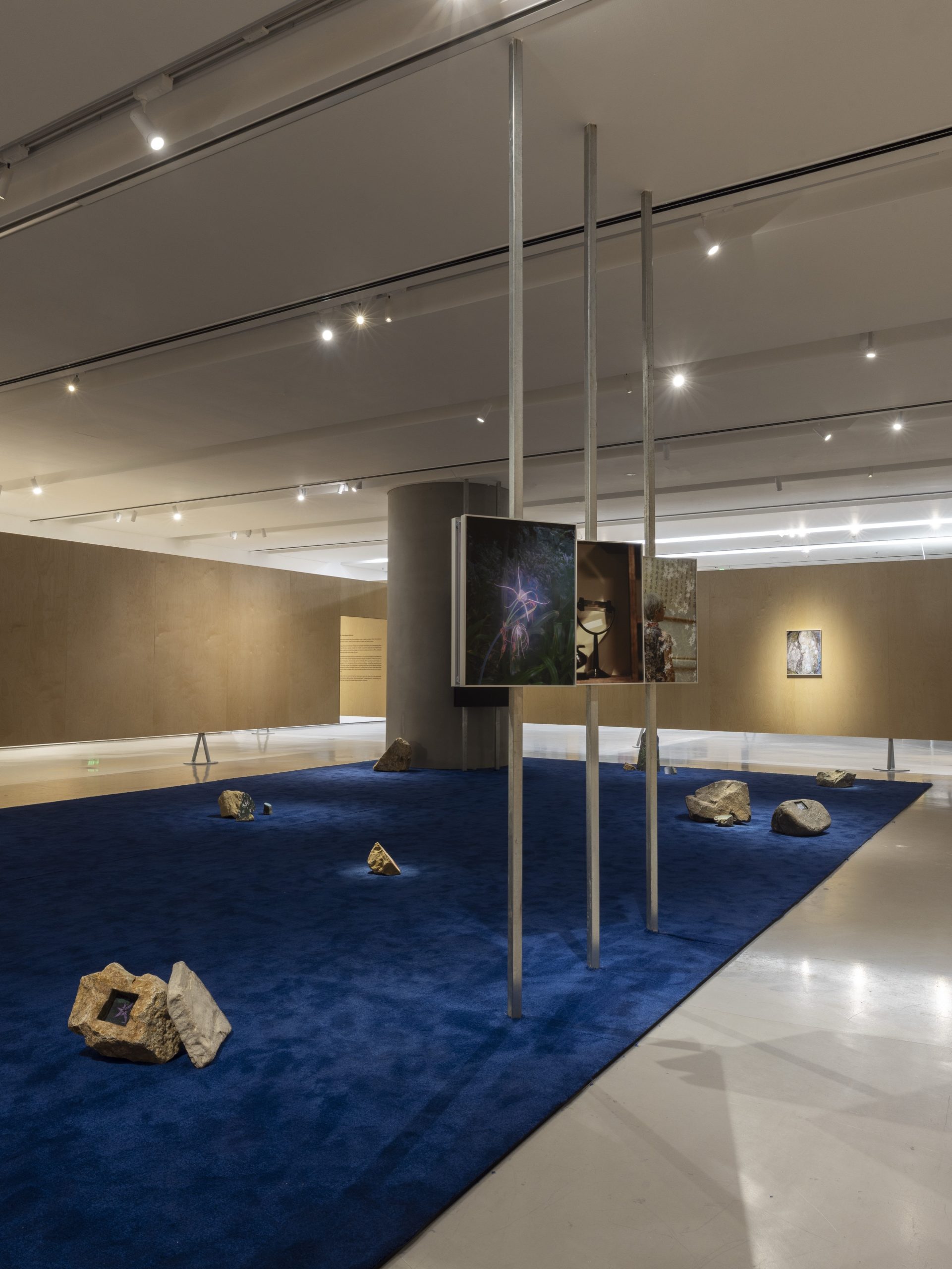
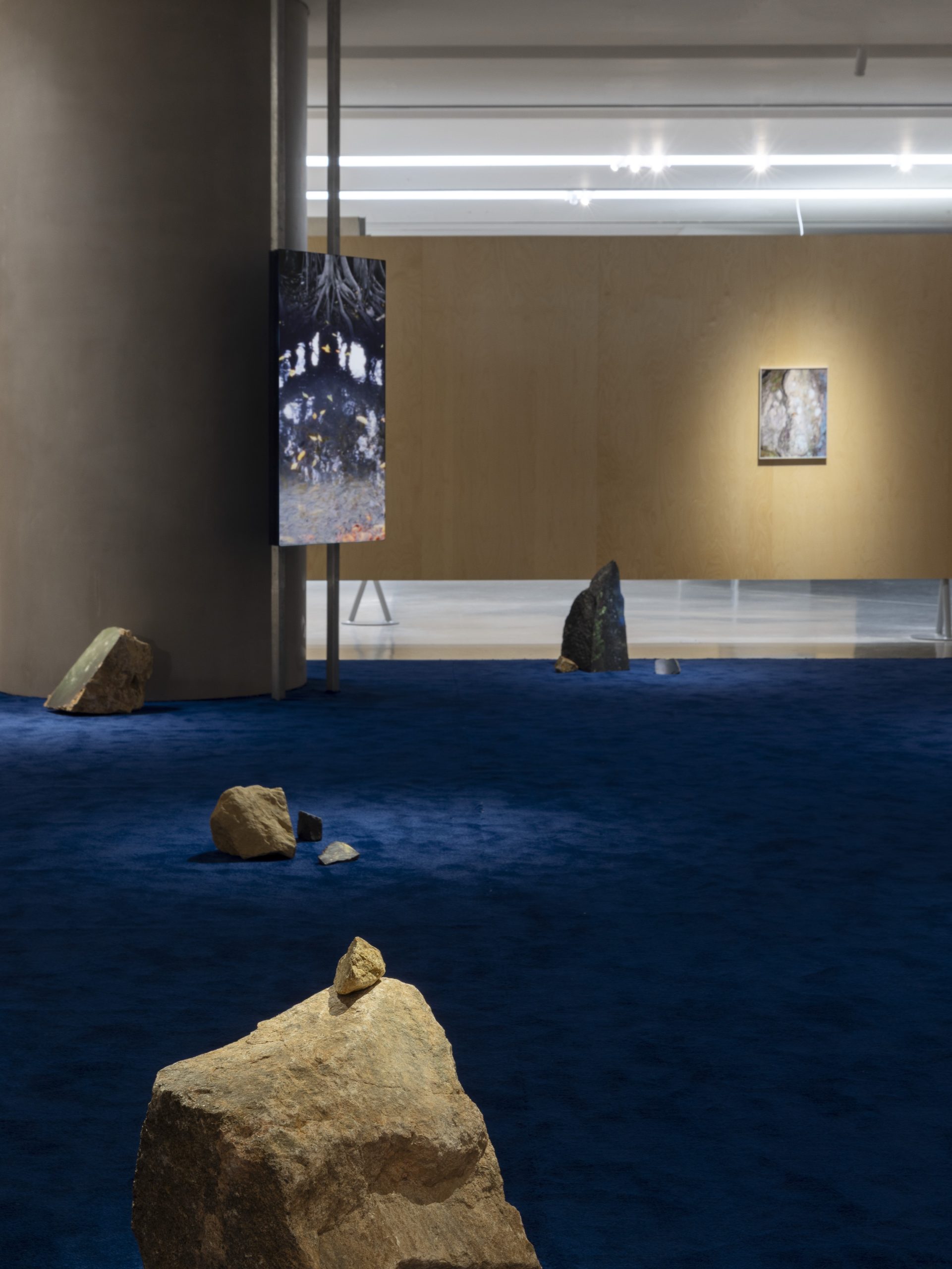
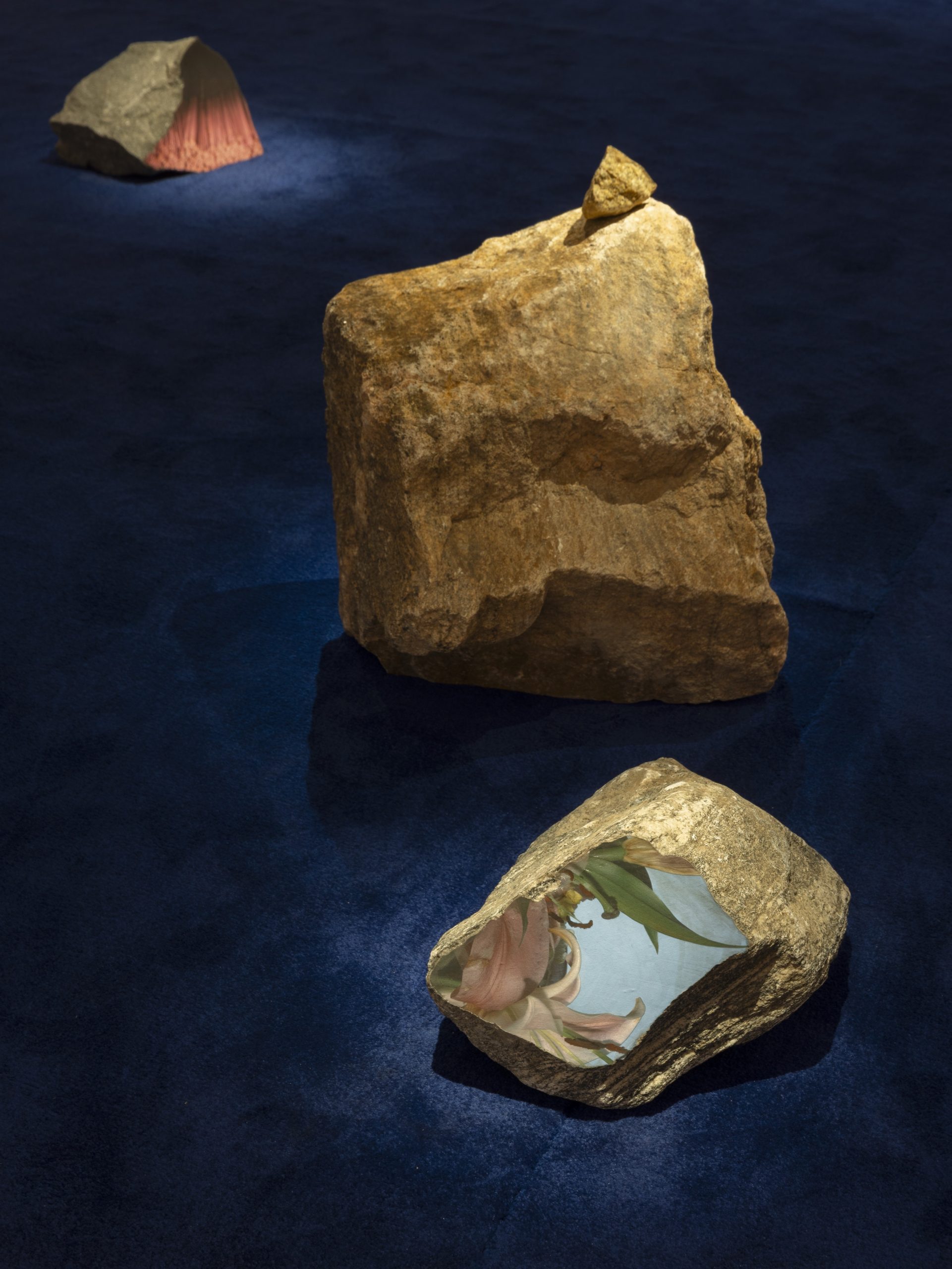
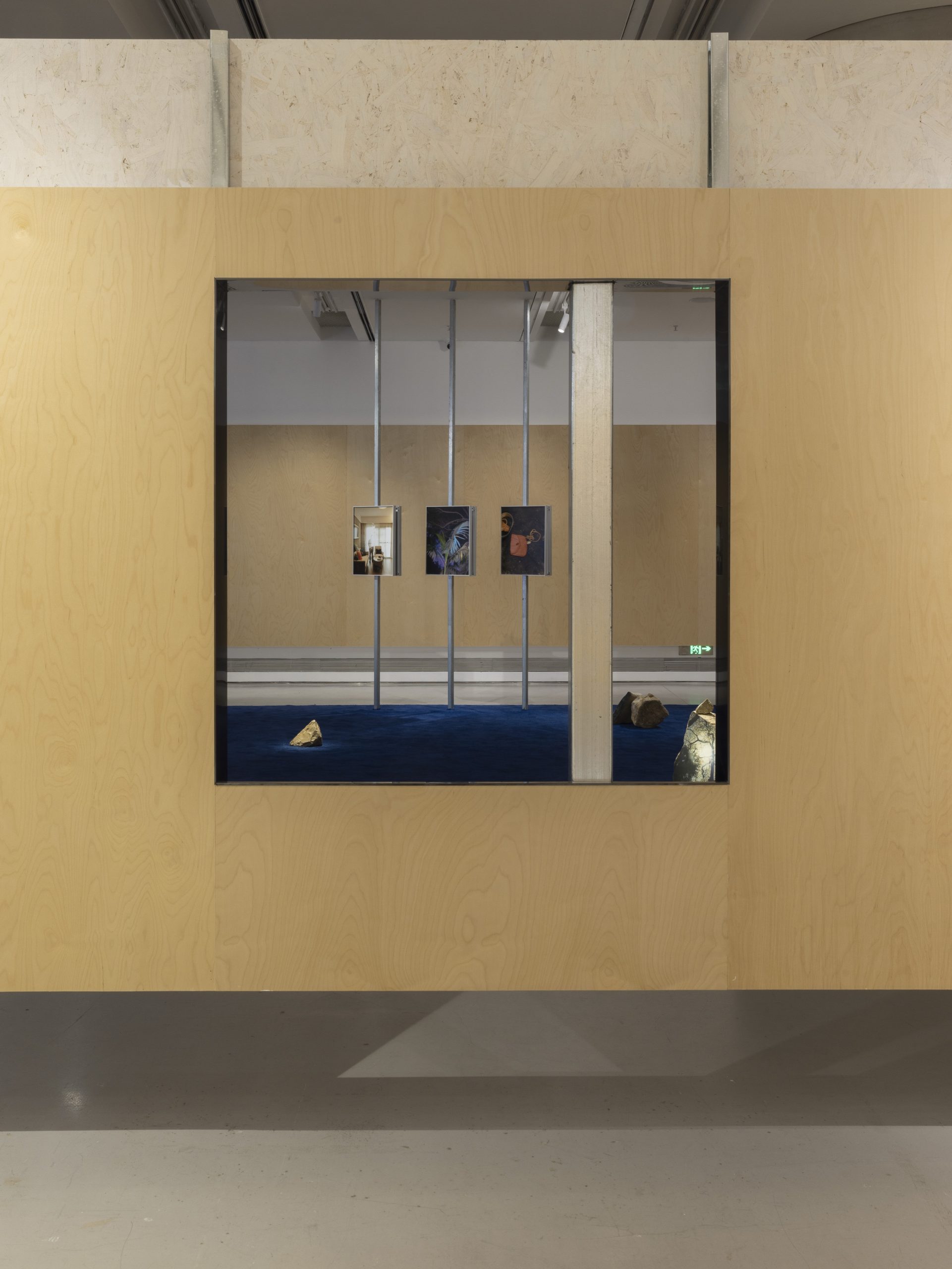
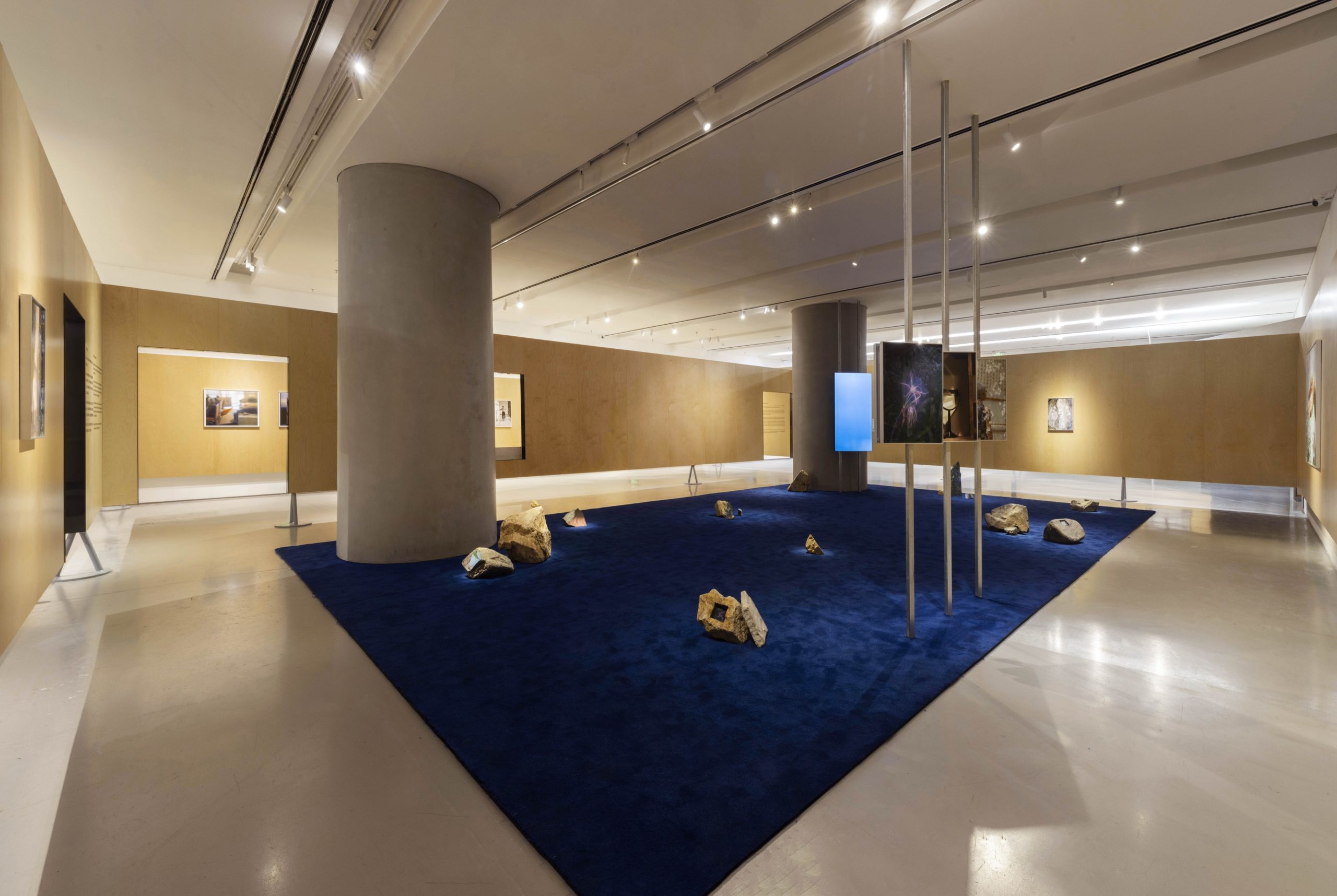
O Group is a visual arts duo based in London and Beijing. Its members are José Cárdenas (b. 1999, Santiago, Chile) and Pan Yihan (b. 2002, Beijing, China). José Cárdenas graduated with a BA in Filmmaking from the University of Chile, and Pan Yihan with a BA in Media Arts from the Central Academy of Fine Arts in China. Both hold an MA in Photography from the Royal College of Art, London, UK. Drawing from their respective origins, the duo explores the entanglements of their territorial heritages to reflect on the deep interconnectedness of our planet. Their interdisciplinary practice spans sculpture, image-making and installation. Rooted in ancient Chinese philosophy and Latin American cosmologies, their practice focuses on the use of natural materials and their interaction with images, through which the O Group seeks to discover the symbolic and spiritual within them.